
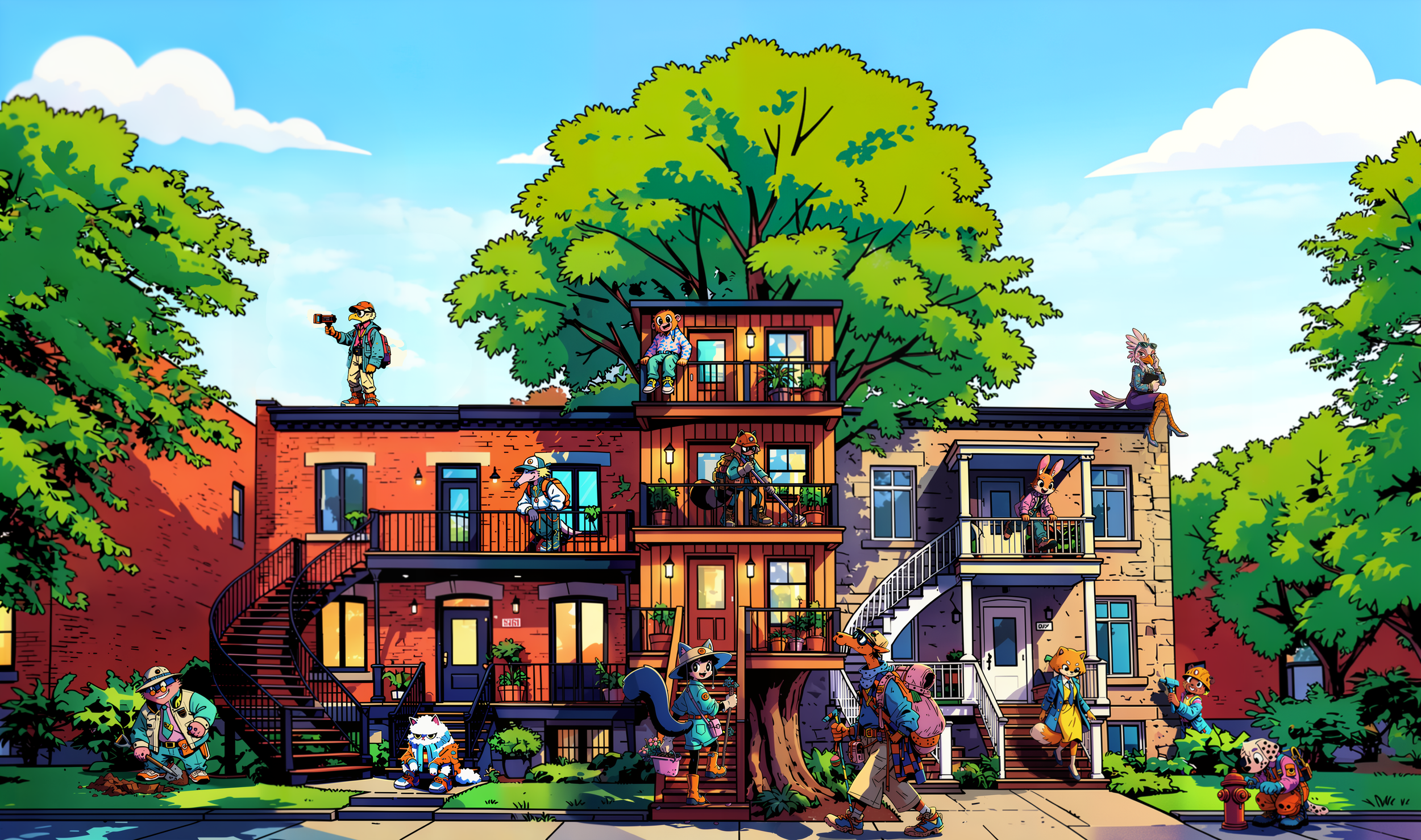
Art Exploration & Tech Integration
A look at art style exploration AI work processes for Borough.
Research
For Borough, I wanted the art style to have some 'cozy game' appeal, but with a more stylized look that fits an urban environment.
The process started with researching artistic styles. I wanted something heavily stylized yet readable on smaller screens, as I love developing for handheld devices. This involved exploring various platforms like Pinterest and flipping through old issues of Hi-Fructose and Juxtapoz magazines. My goal was to capture an 'anime kawaii' charm mixed with an urban, illustrative feel.
All images below belong to their respective owners and are used for reference only. They were not used to train my Loras.
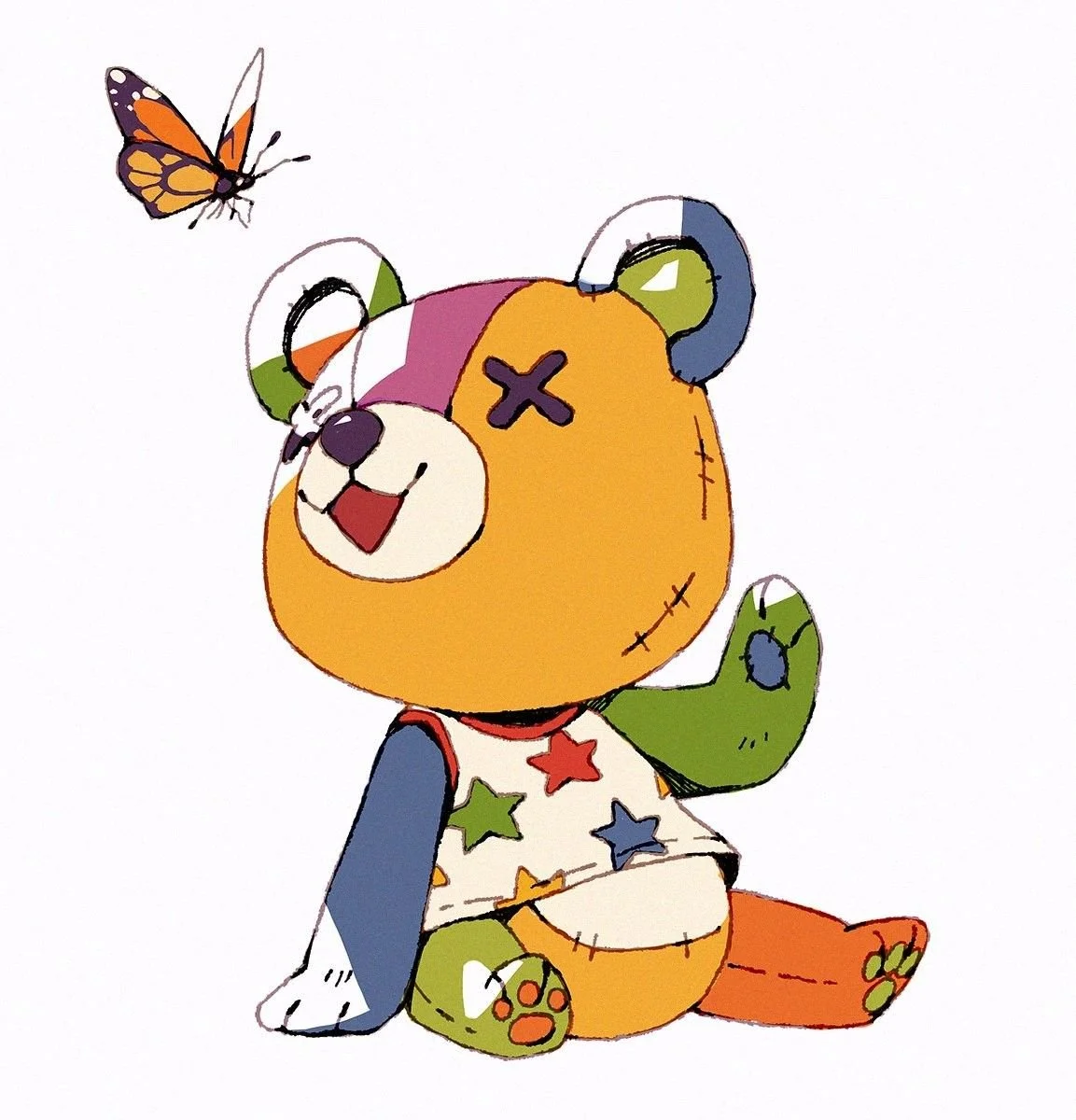
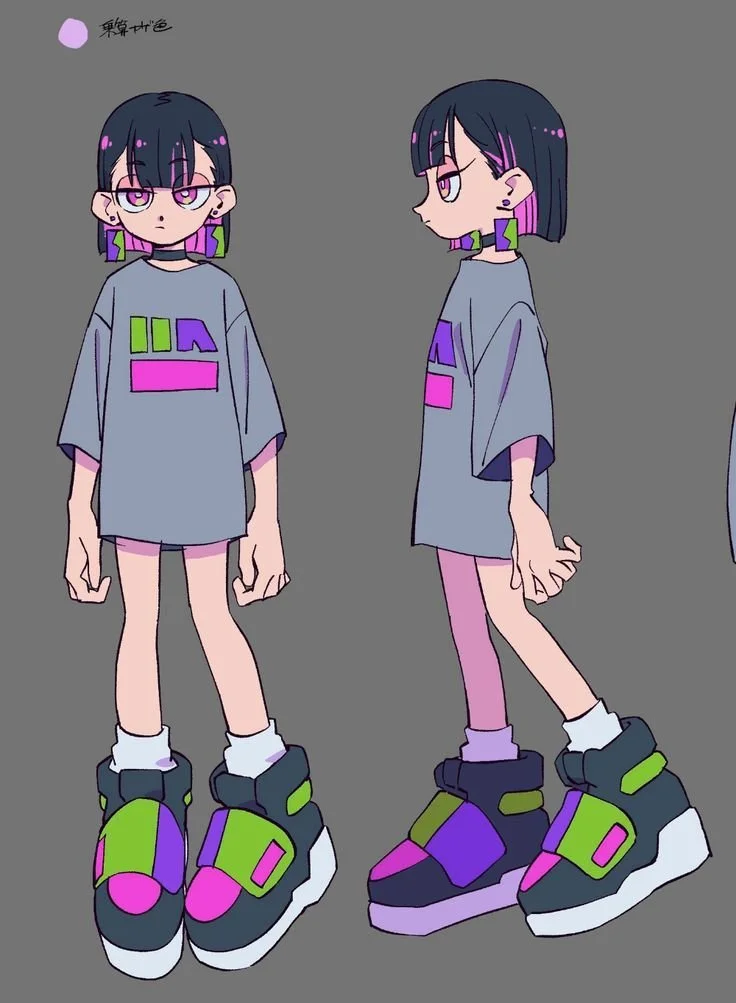
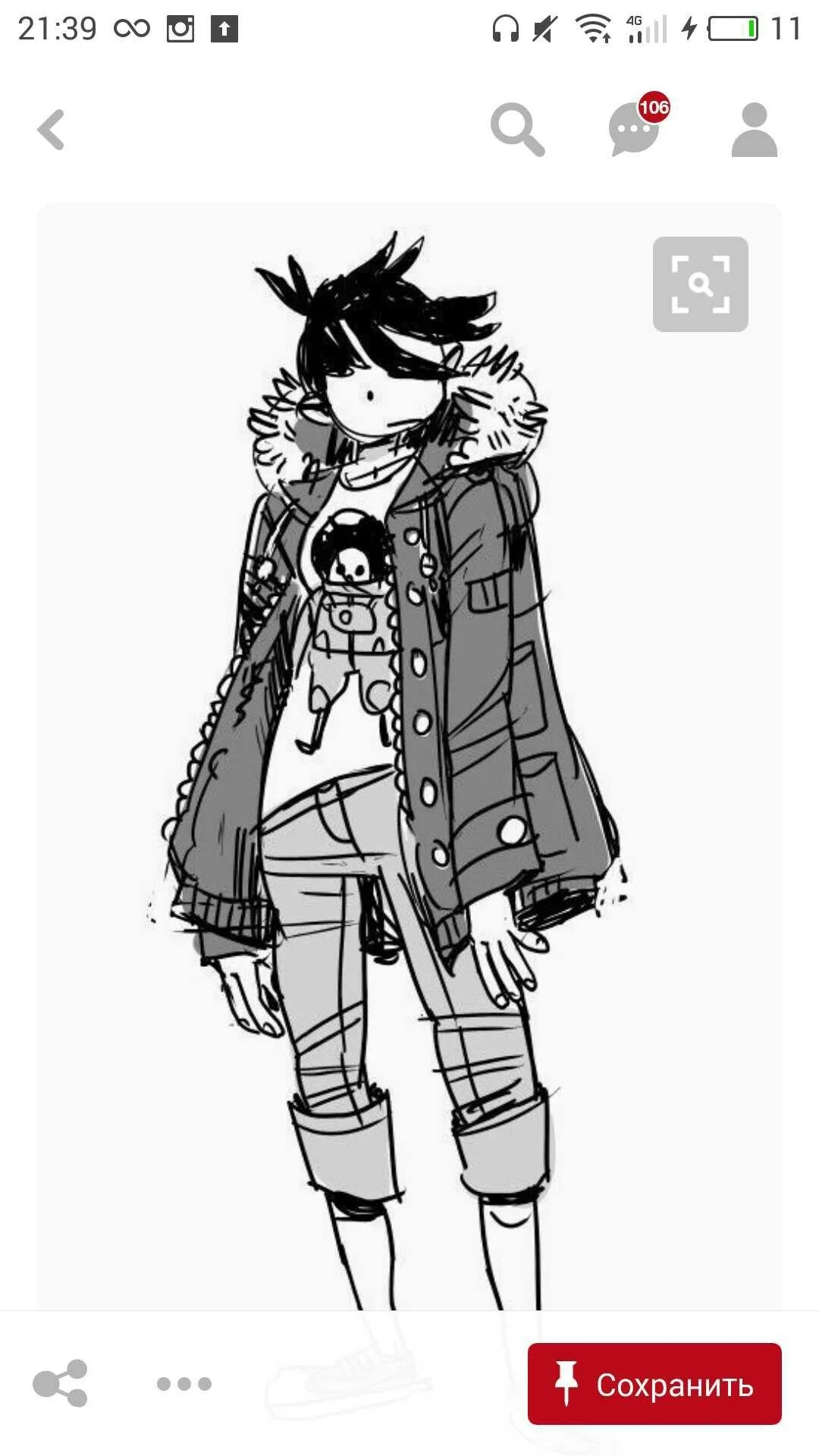
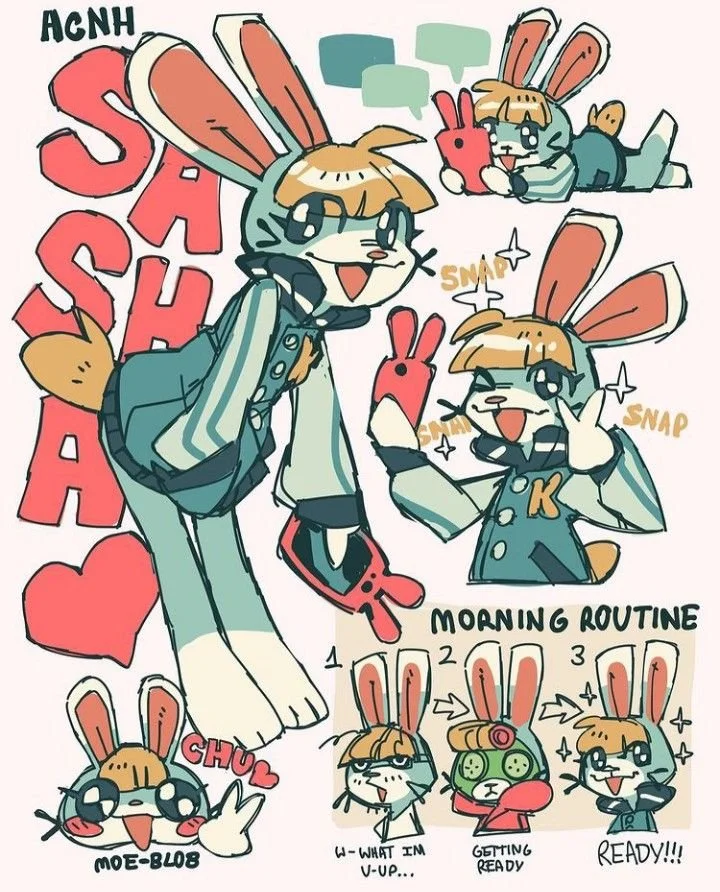
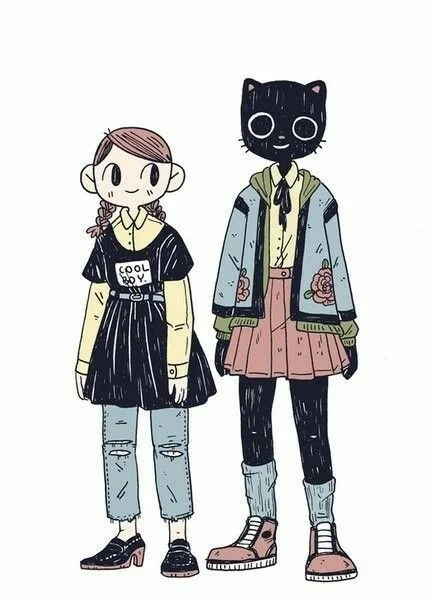
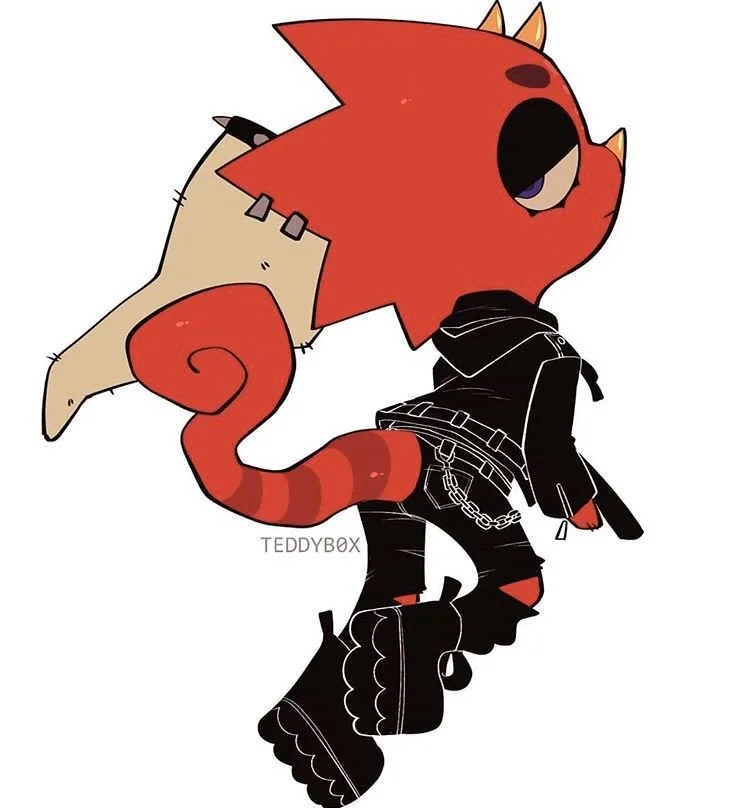
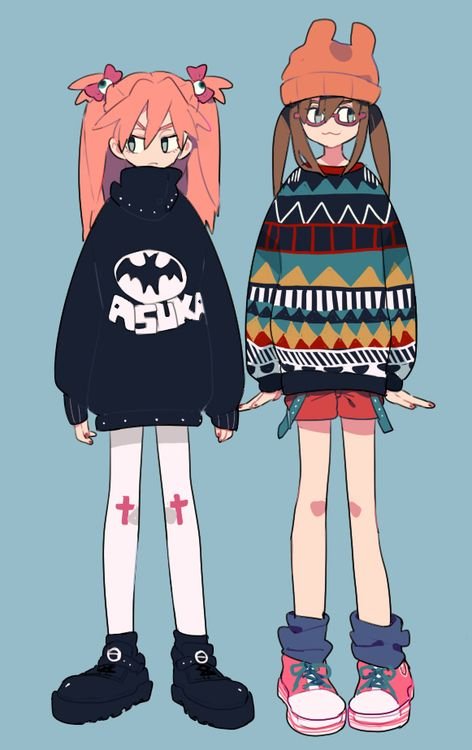
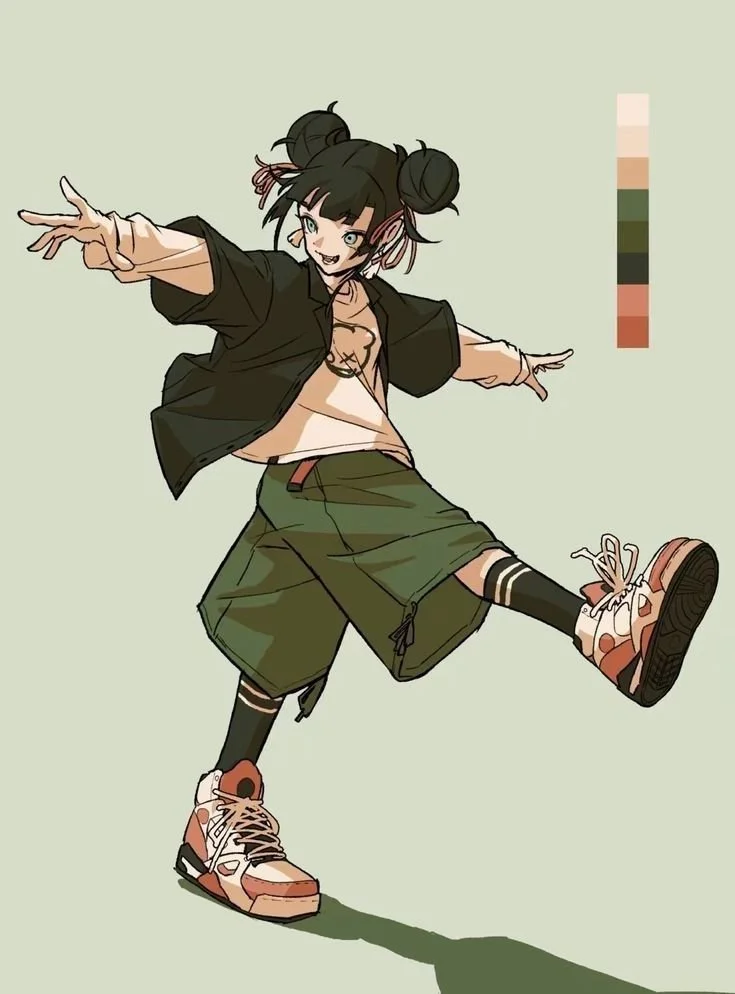
AI EXPLORATION
I am a trained traditional painter, but in game development, I have to be realistic about where my time is spent. Since starting game dev, I have been utilising AI integration to speed up my workflows. I have taken on more of an art director role (among many others as a solo dev).
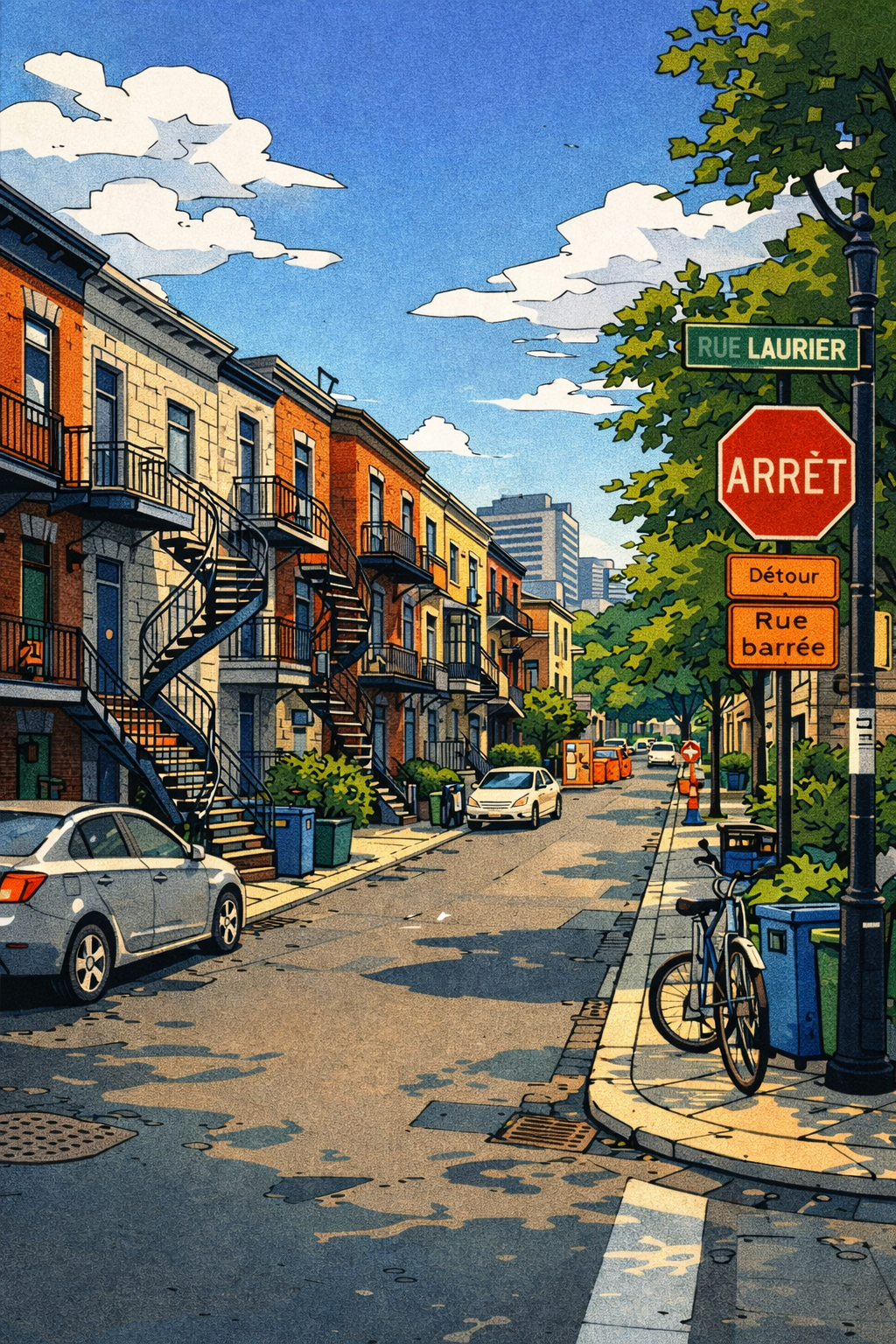
I kept reworking prompts until I found a style I was happy with. I ended up with an indie comic style with some gritty, retro vibes.
AI has its strengths and weaknesses. It feels like I am working with an extremely talented but unrefined assistant; I really have to keep pushing it to produce something interesting, though I think I have it figured out now.
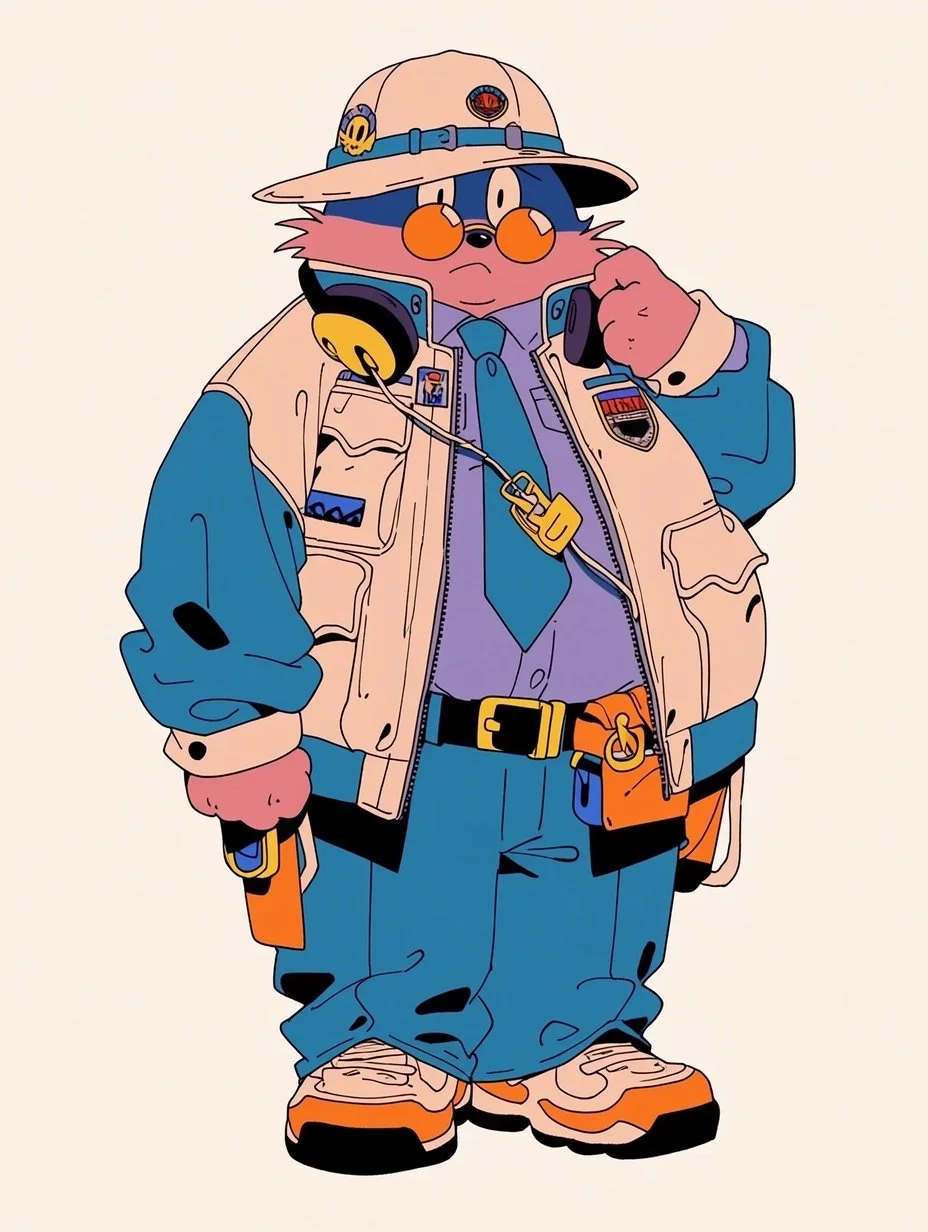
Here are some early style explorations. The anatomy is off, but I was focusing on the proportions and the overall feel of the character designs. I used Midjourney for this exploration. I found Midjourney to be the least consistent tool, but the best for experimenting and broadening styles.
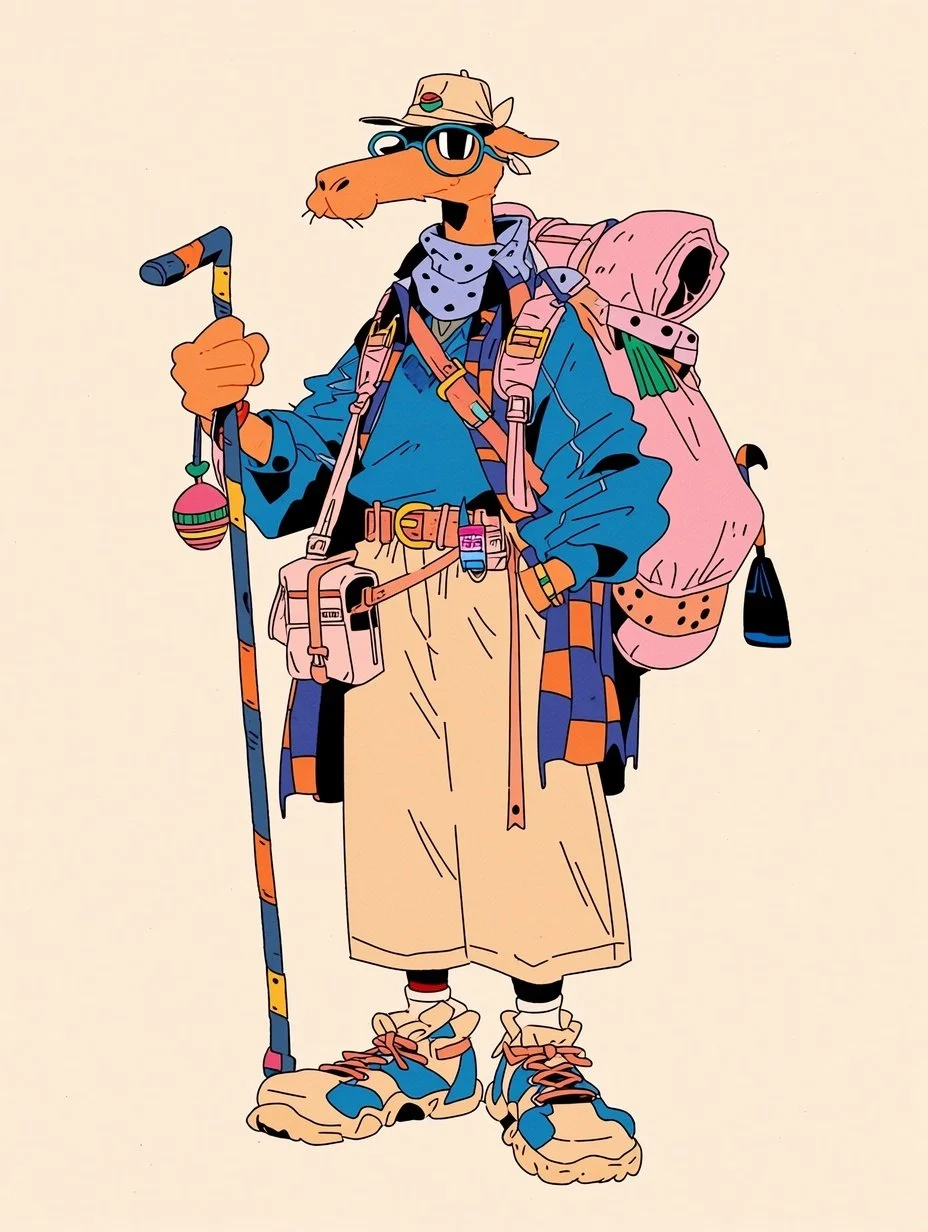
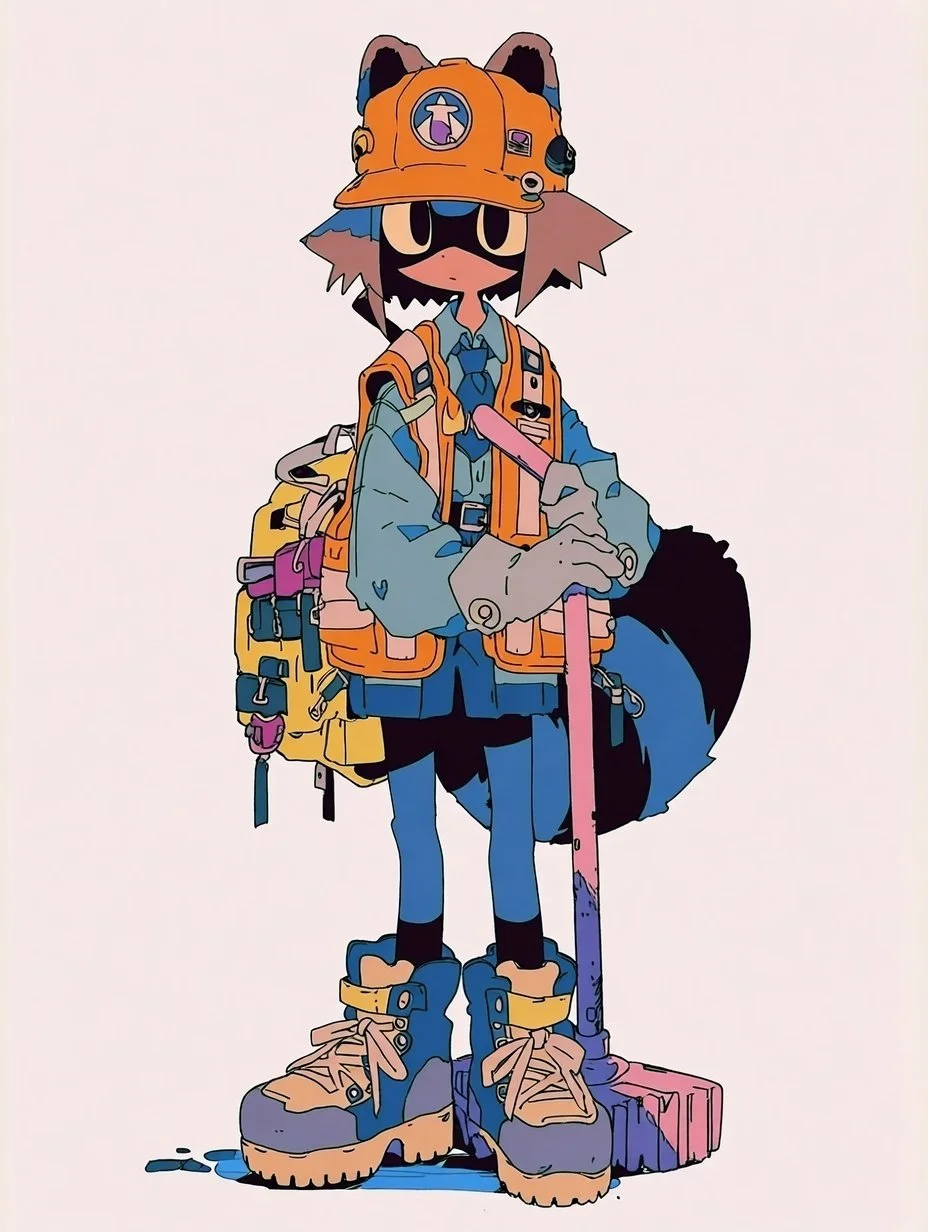
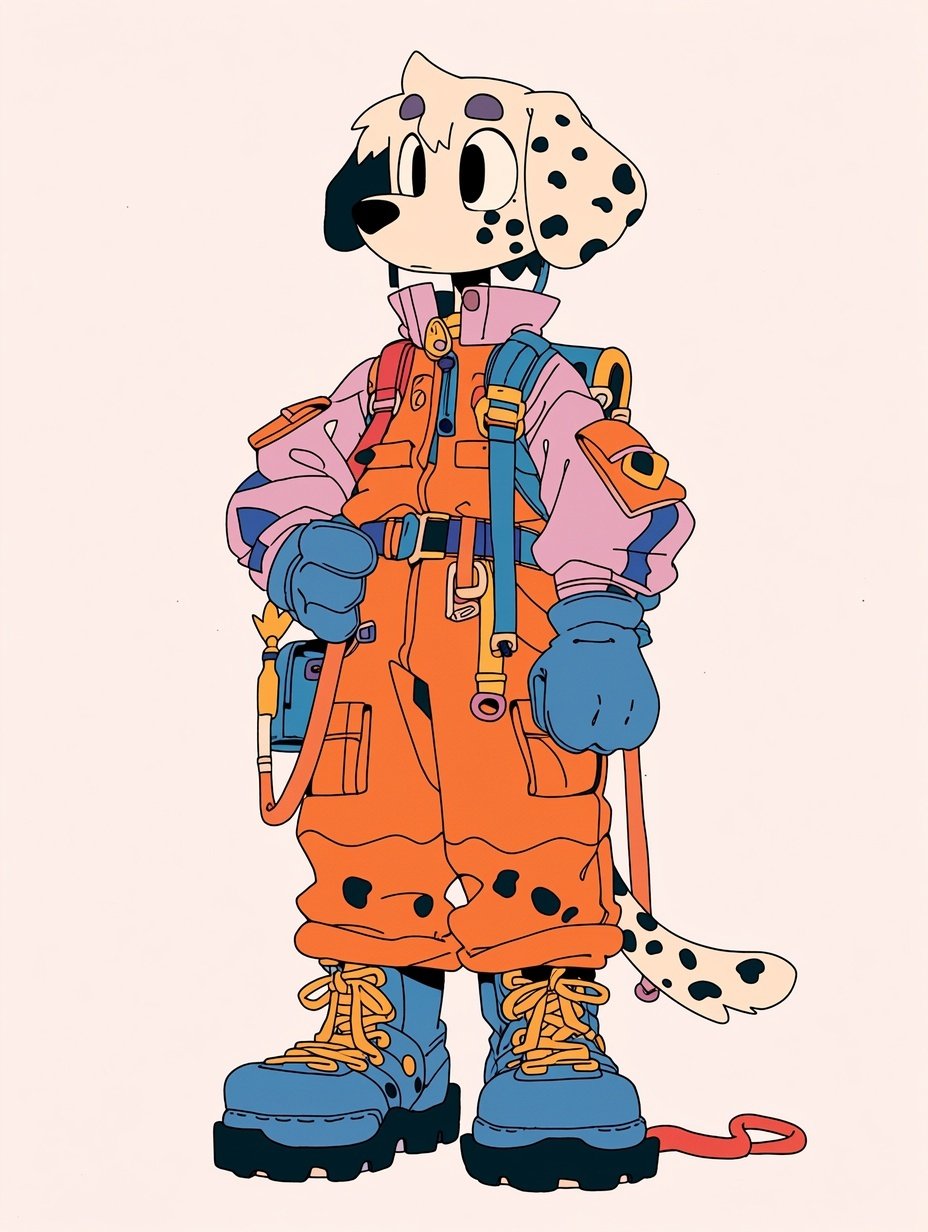
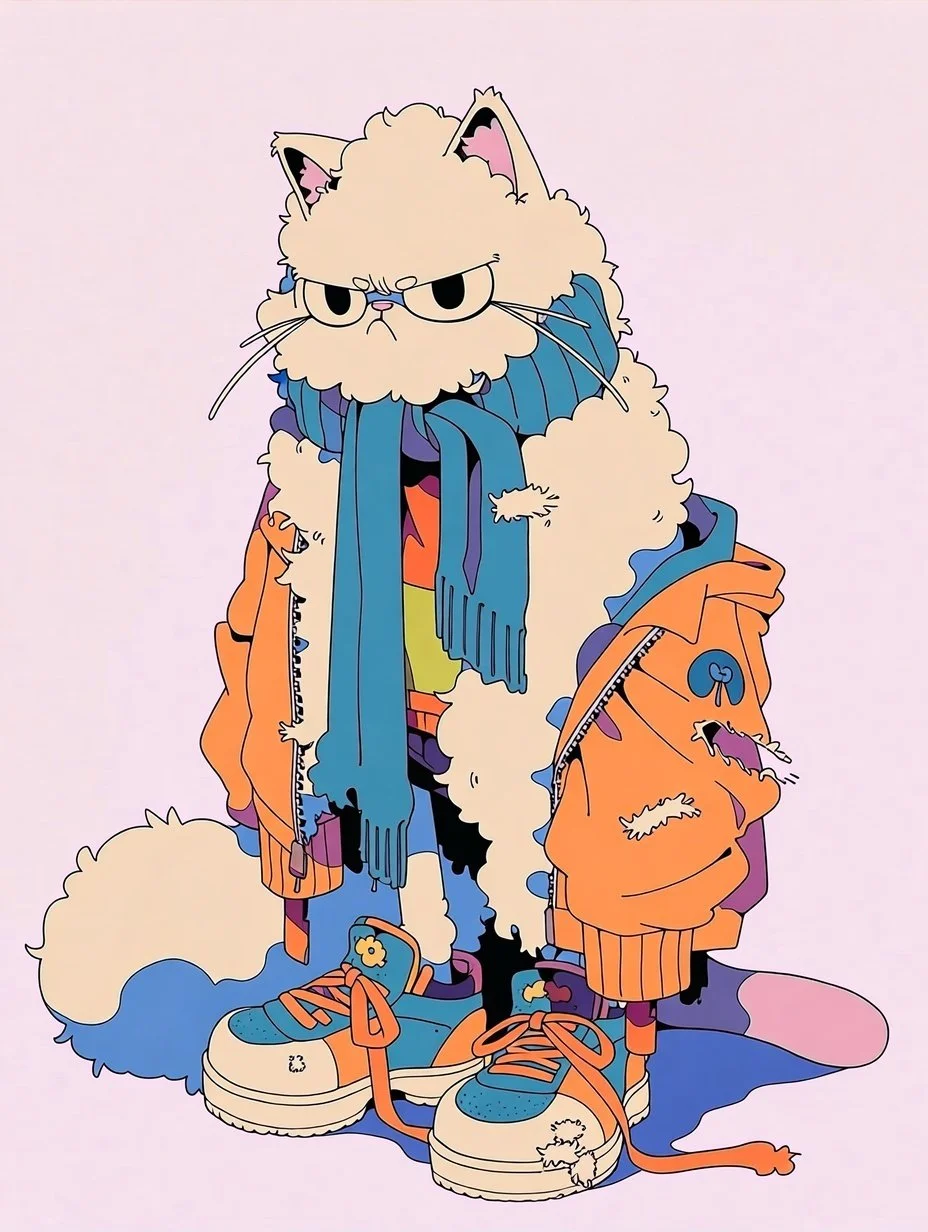
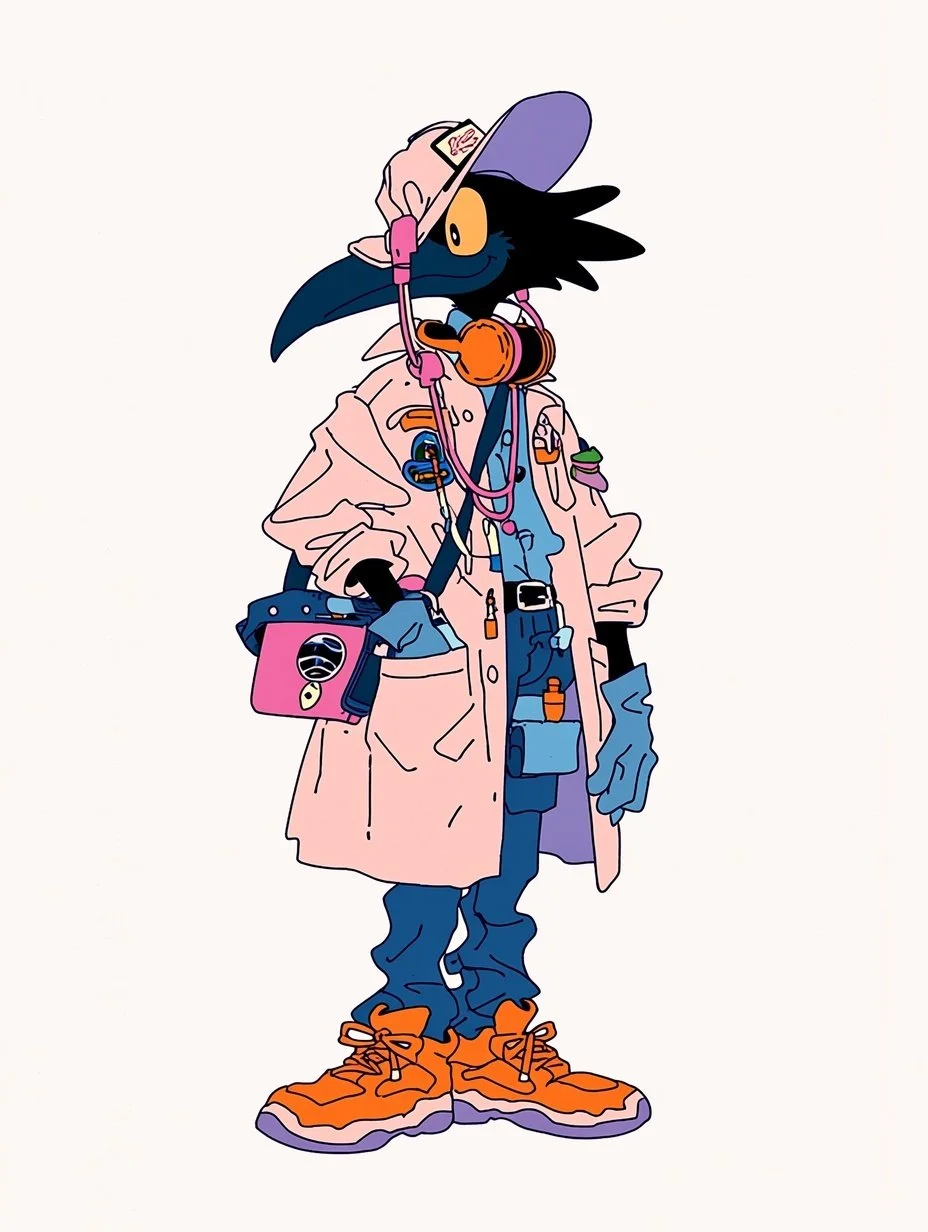
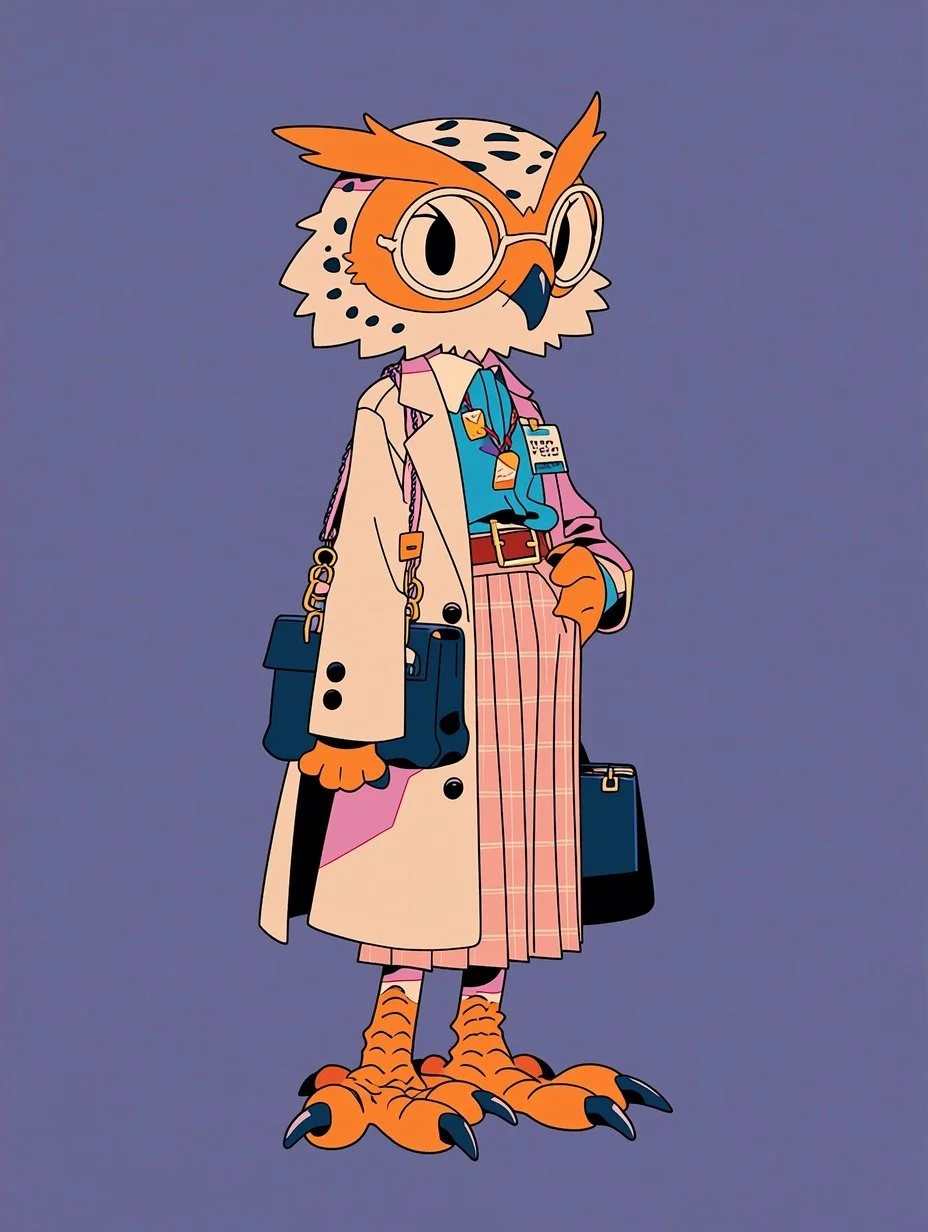
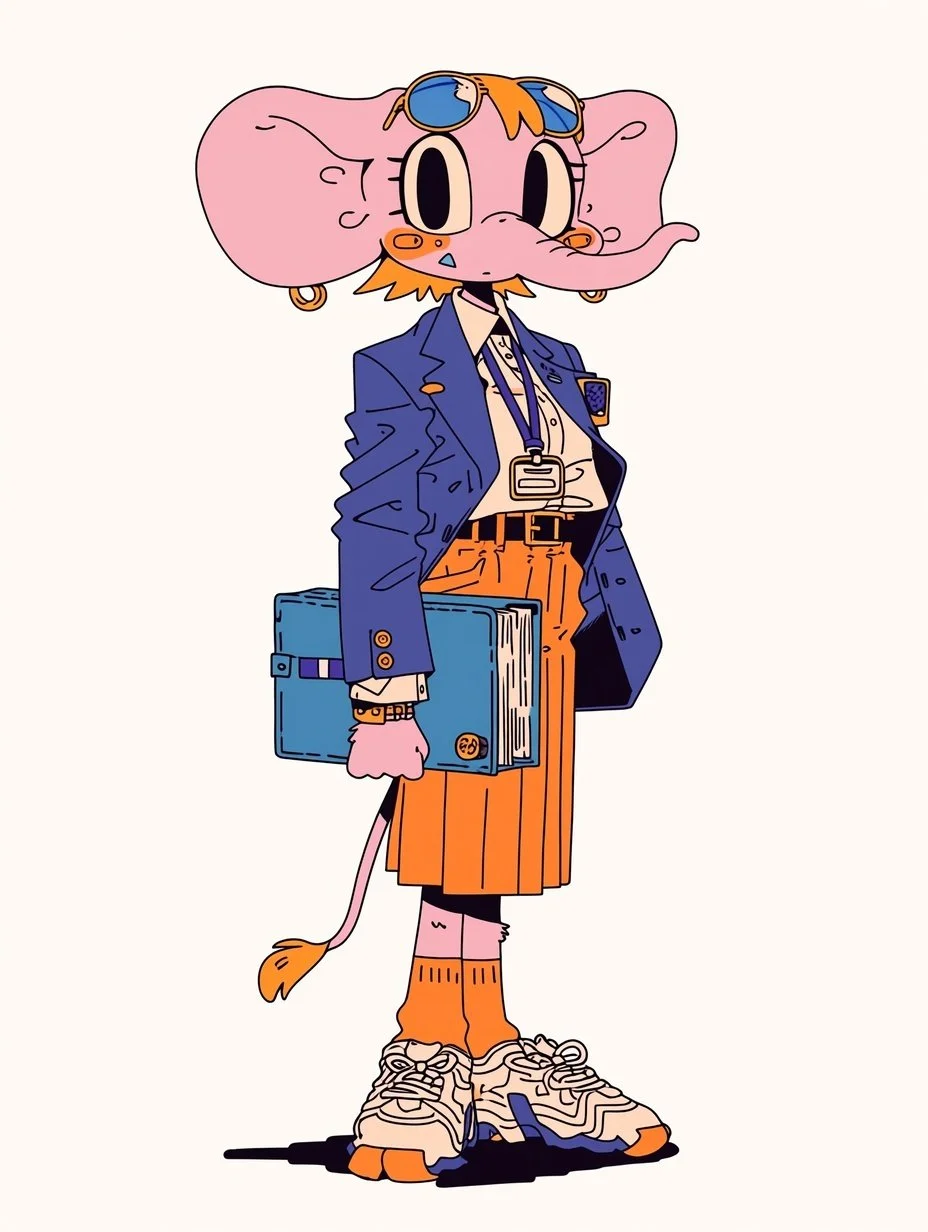
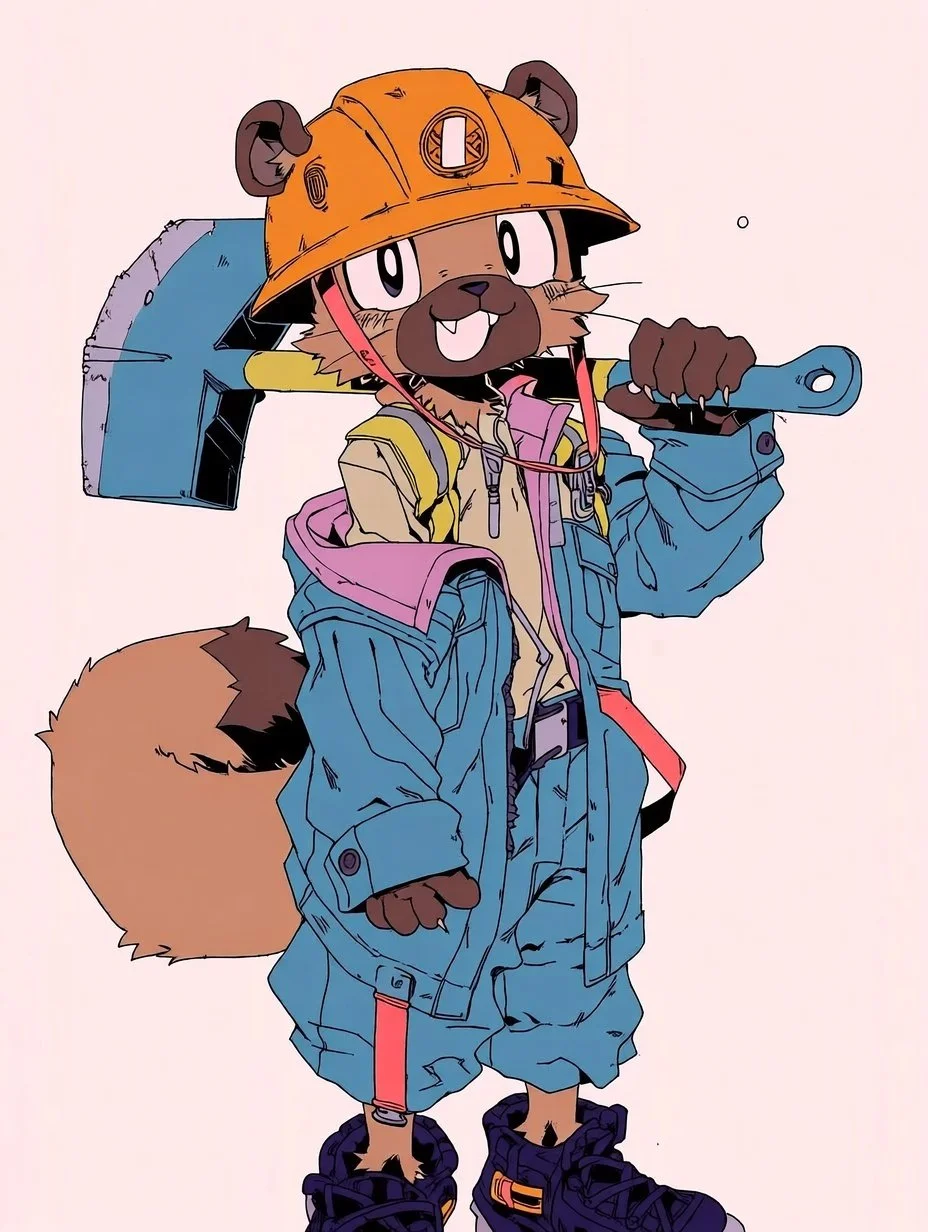
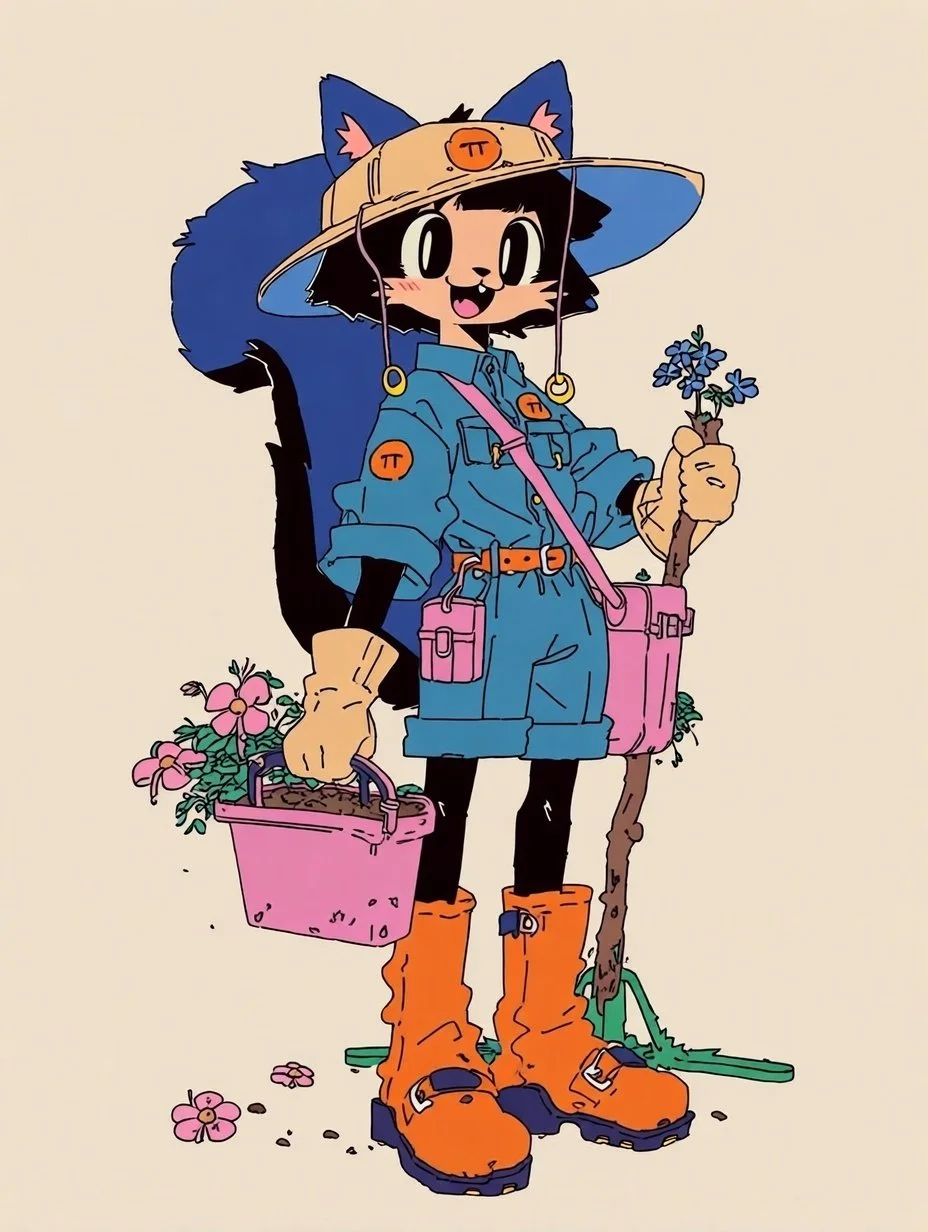
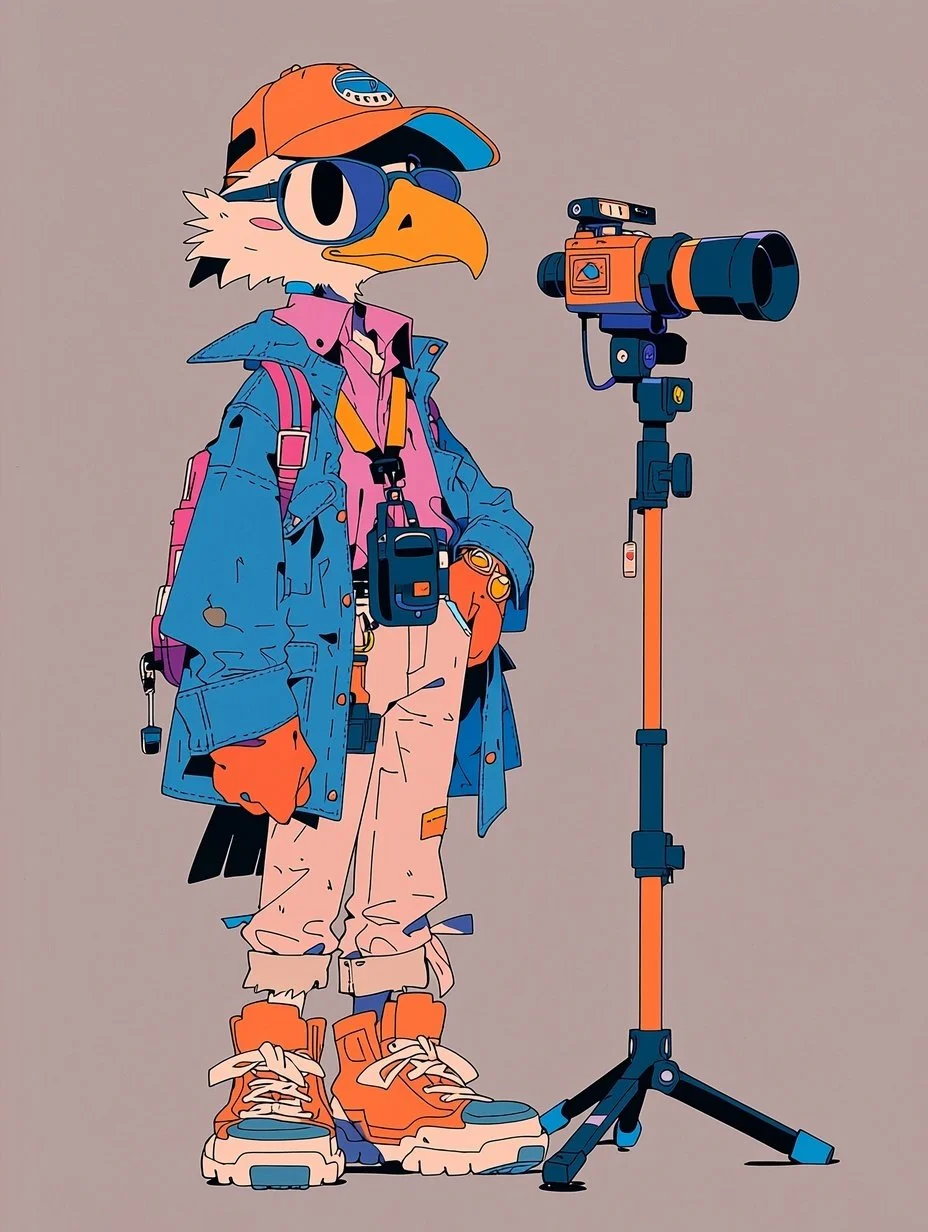
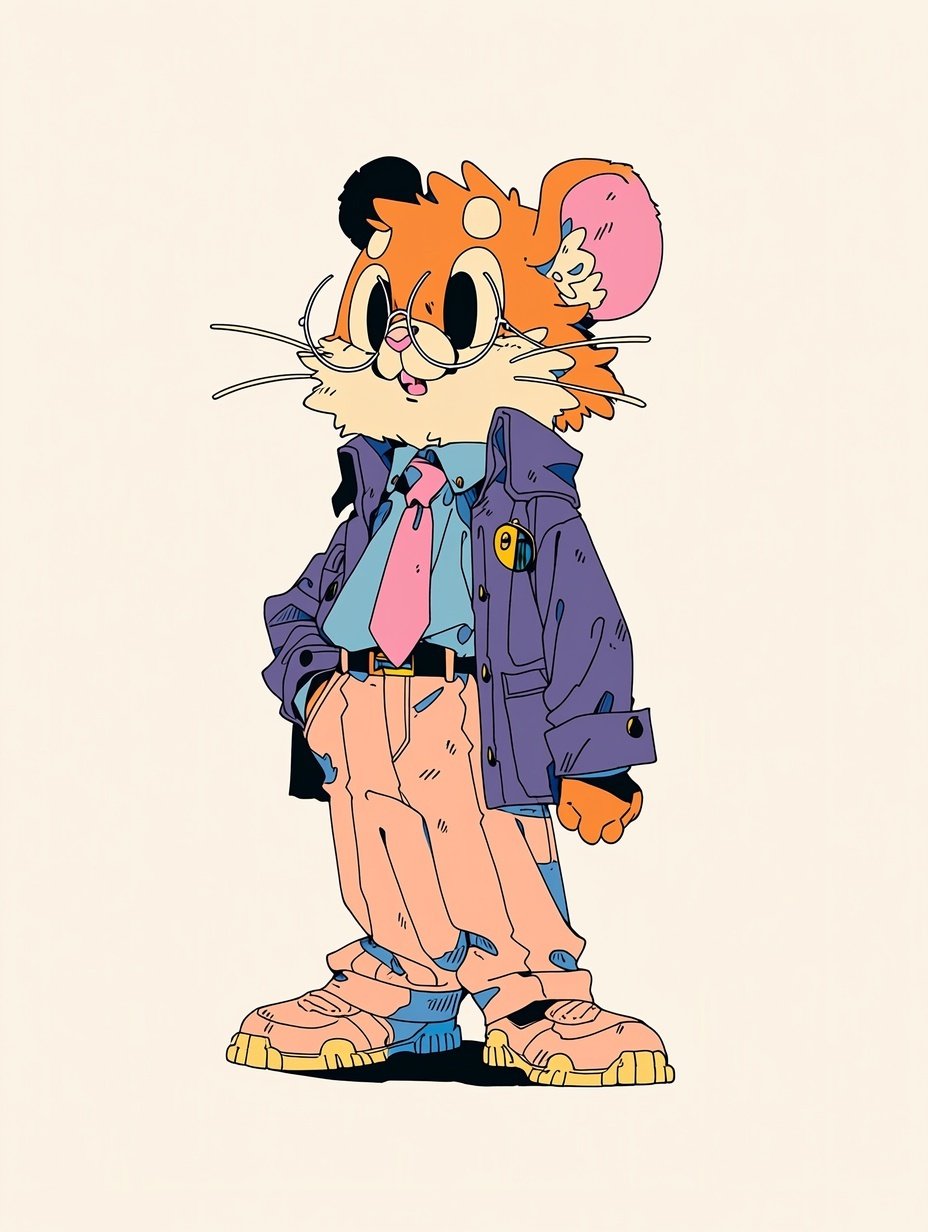
The backgrounds followed the same process. I wanted a cartoony but grounded feel. I eventually settled on an indie graphic novel style with vibrant saturation.
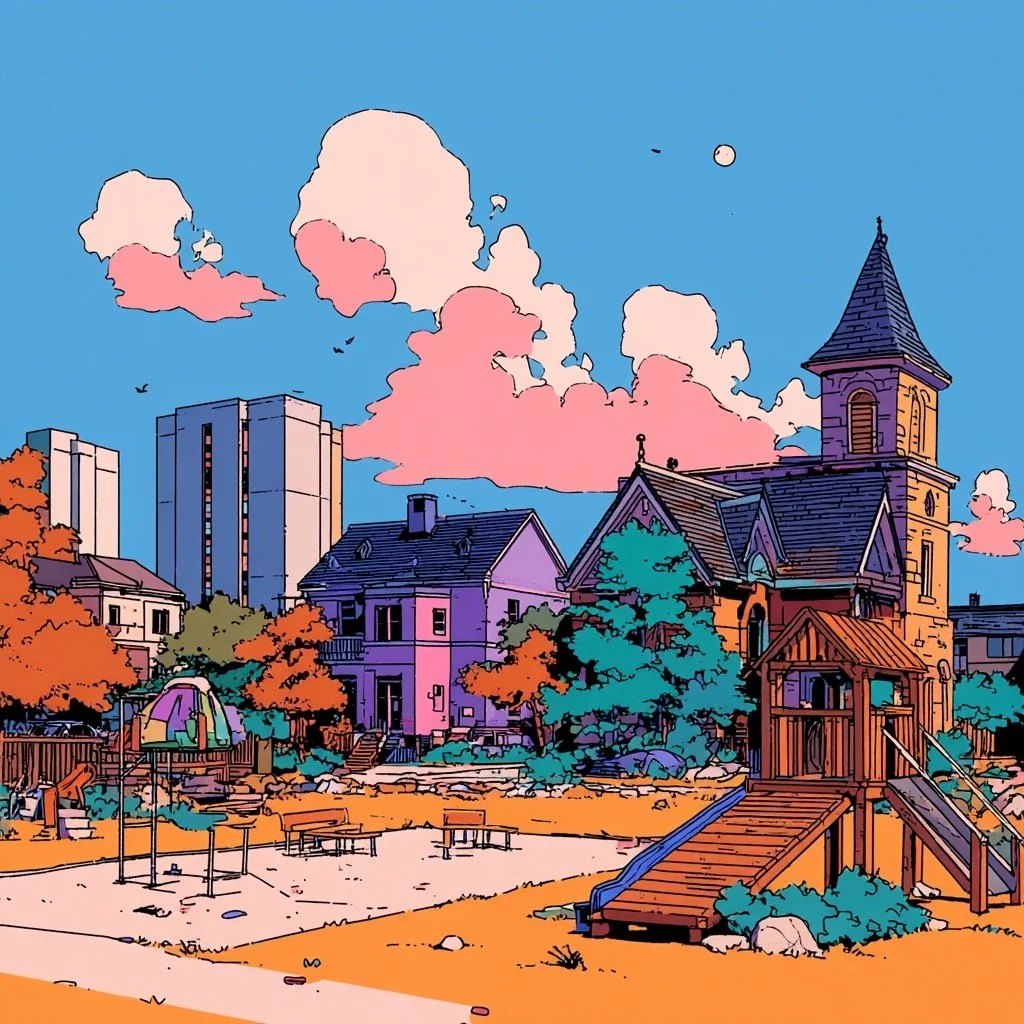
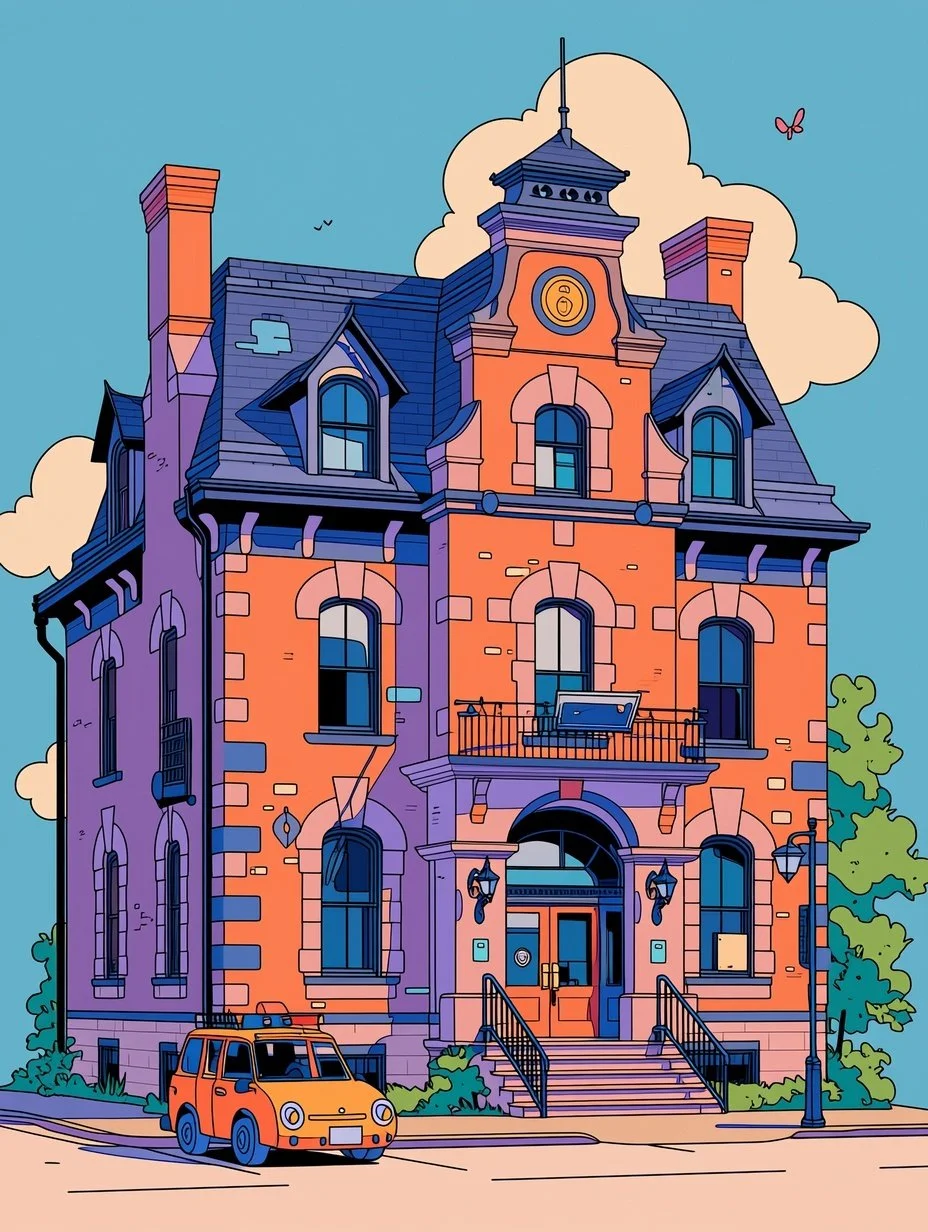
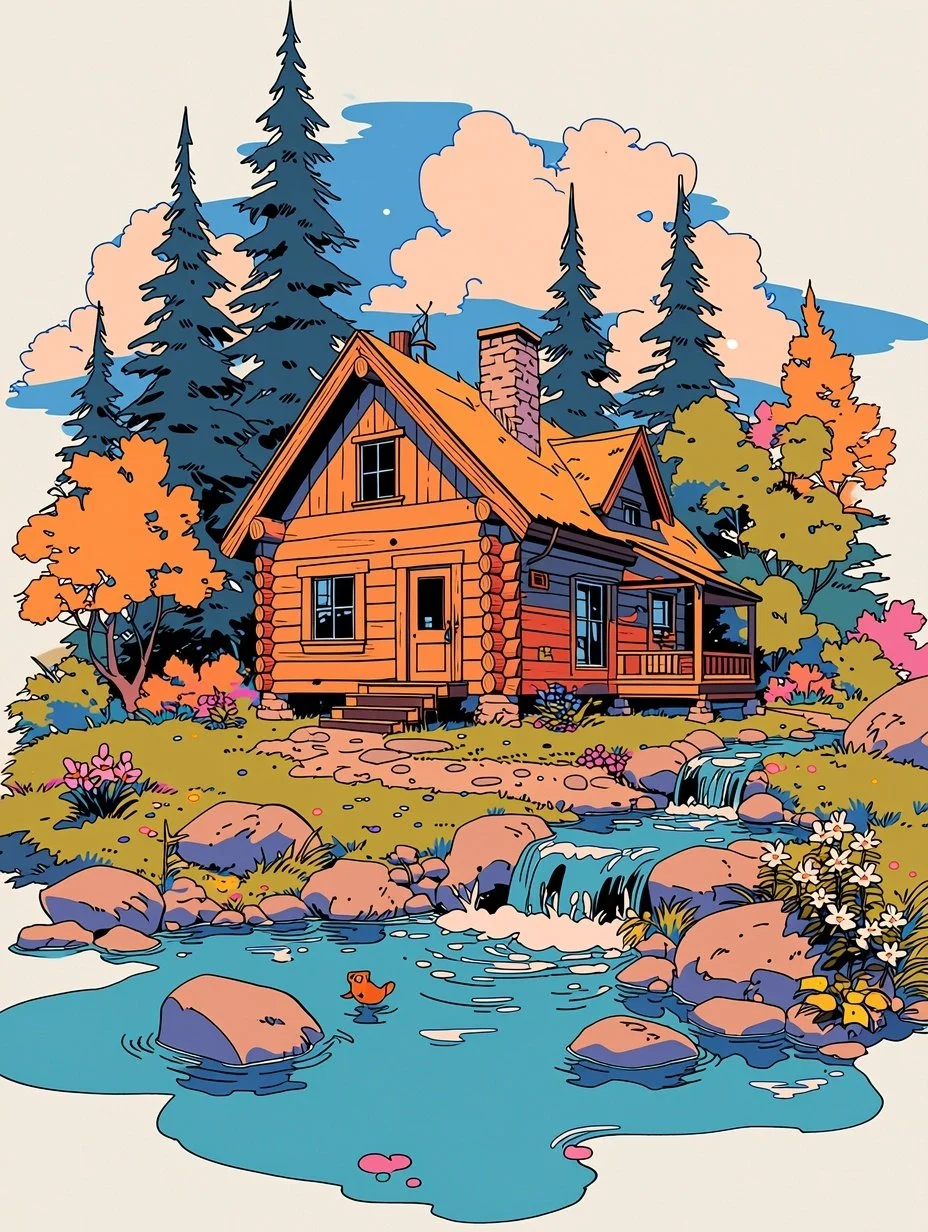
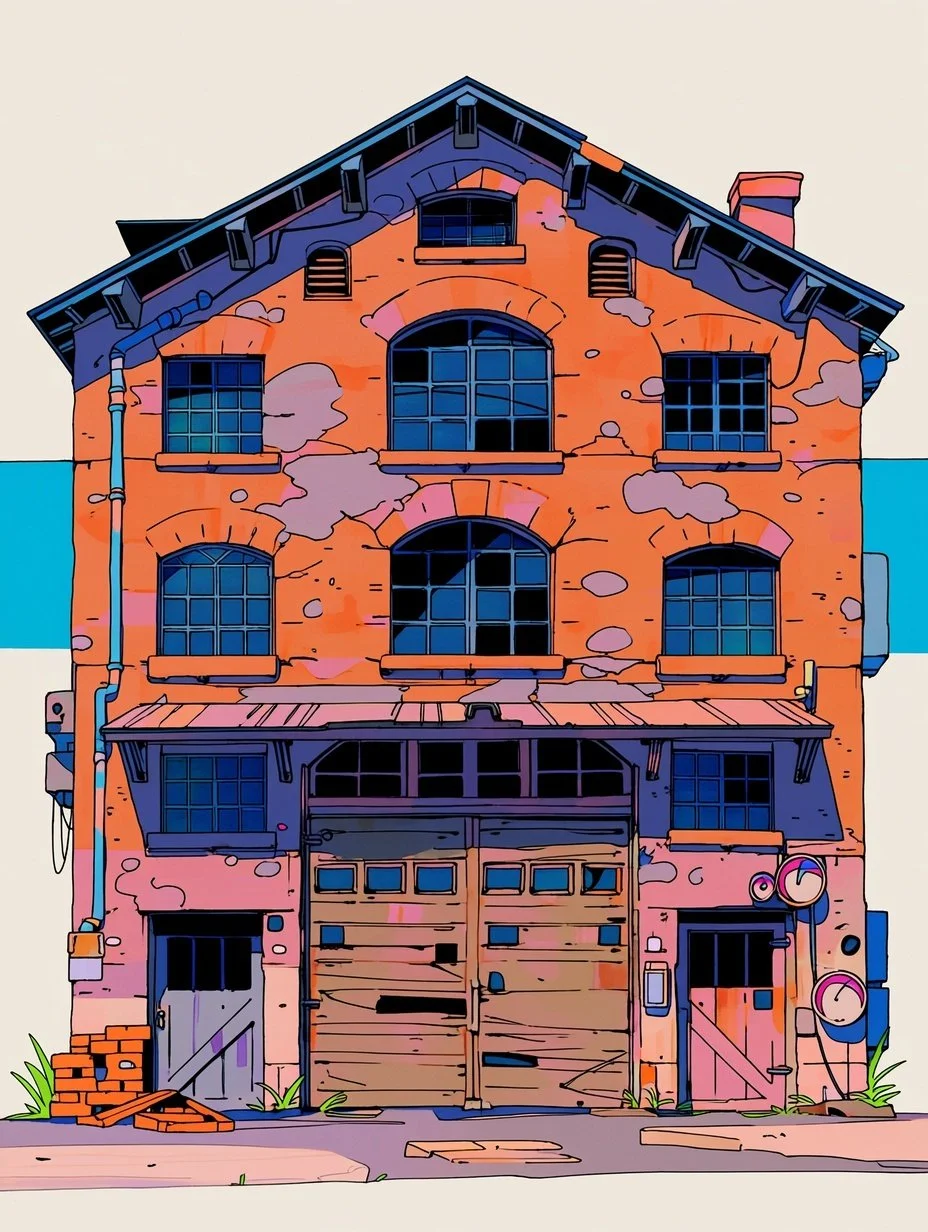
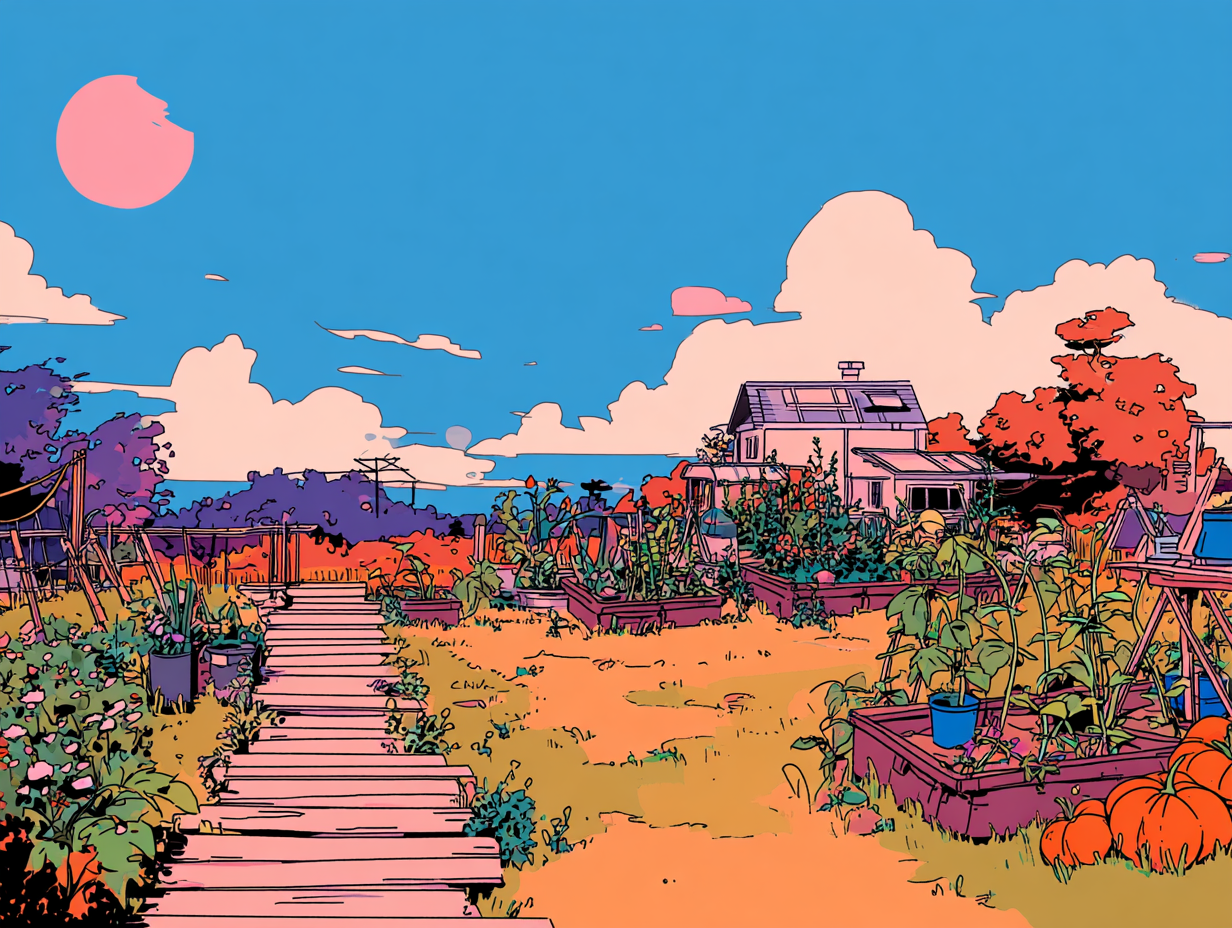
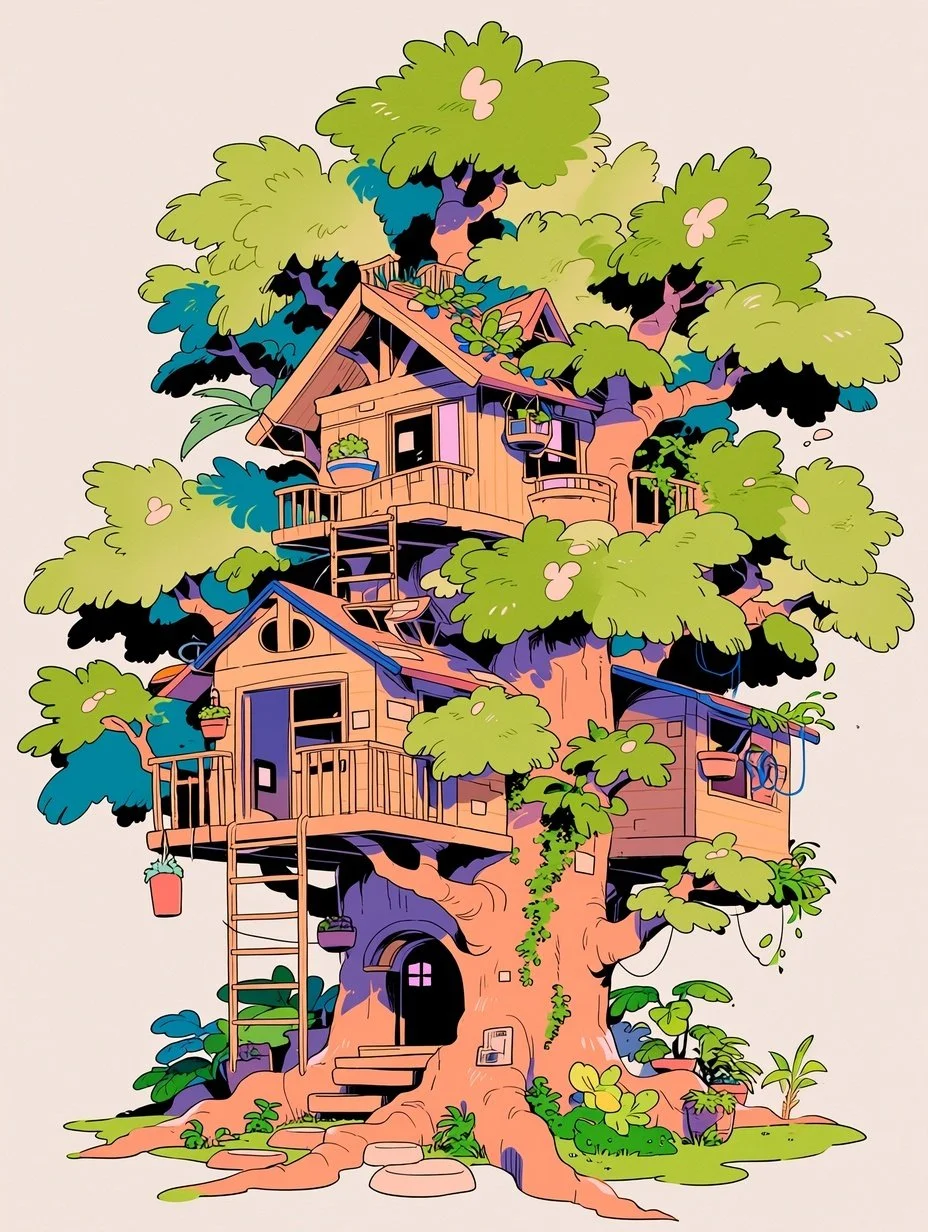

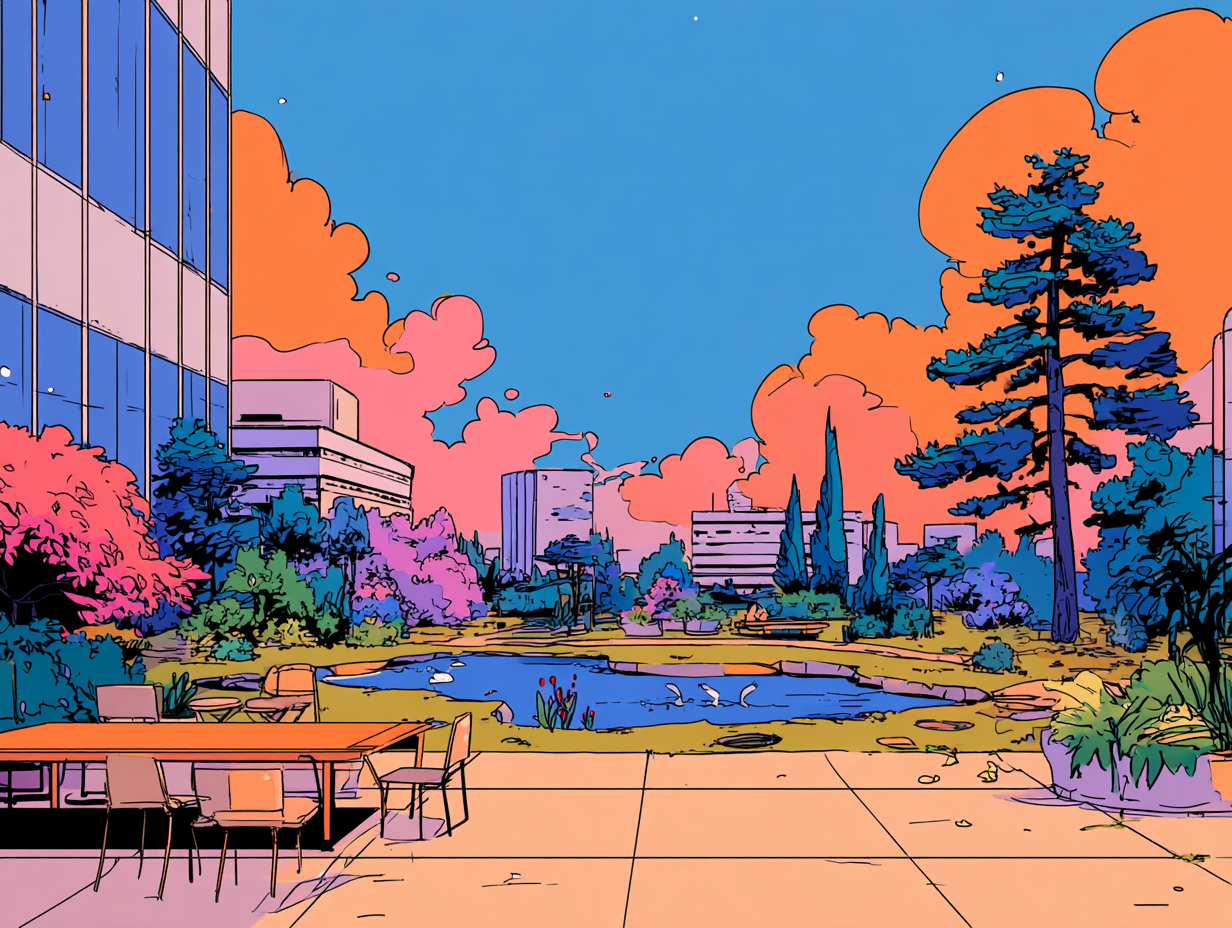
After nailing down the styles I was happy with, I trained some custom LoRAs that I could use in Krita along with FLUXto help me compose images. I use the app Draw Things to train LoRAs locally.
Tool Integration
While Midjourney is great for style development, I found it lacking when it came to creating character sheets, as there isn’t enough consistency. Currently, I alternate between Gemini and ChatGPT for creating turnarounds and posing characters. For the background image on my profile, I used a combination of Gemini, ChatGPT, and Krita to create the final piece.
Using ChatGPT for the background.
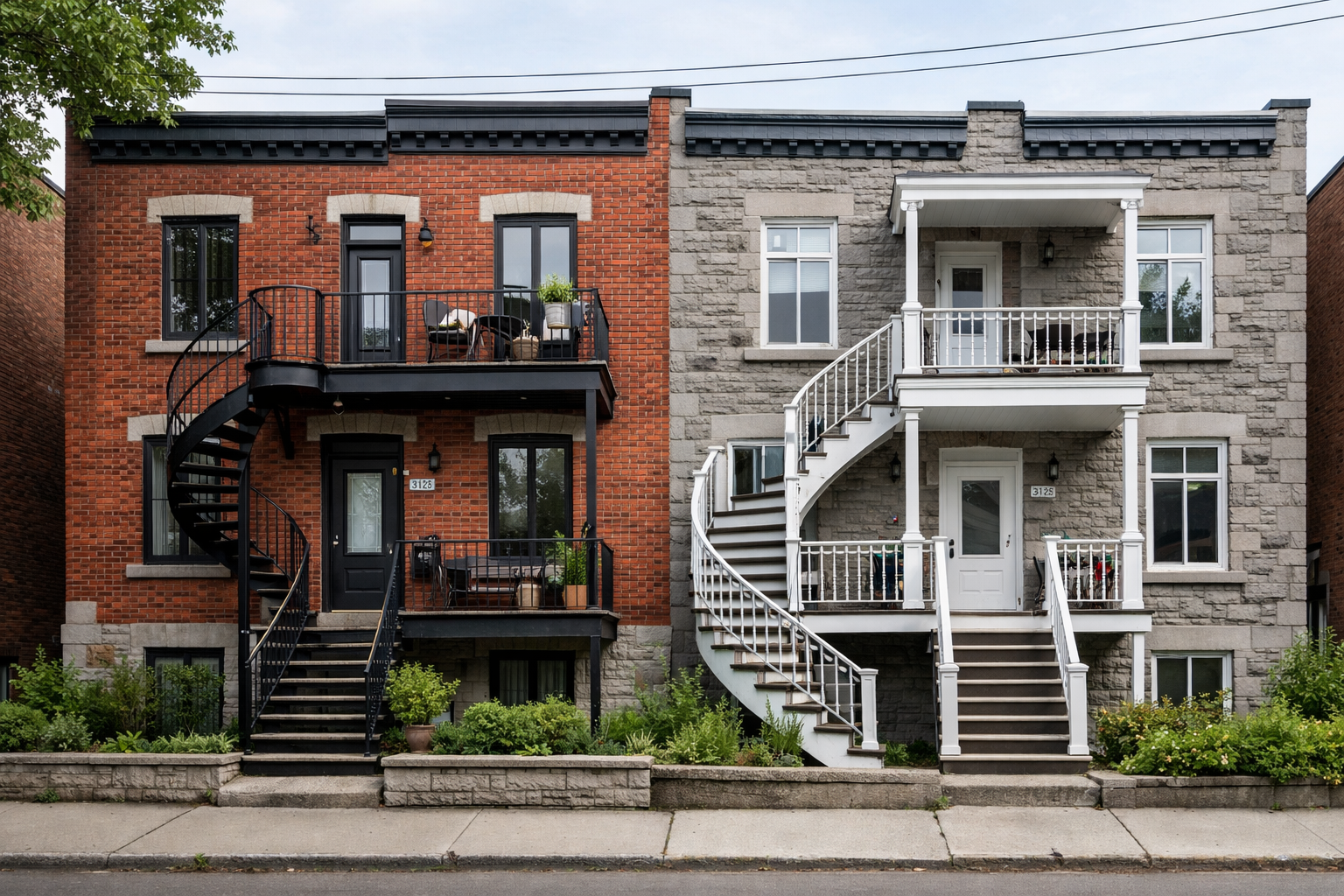
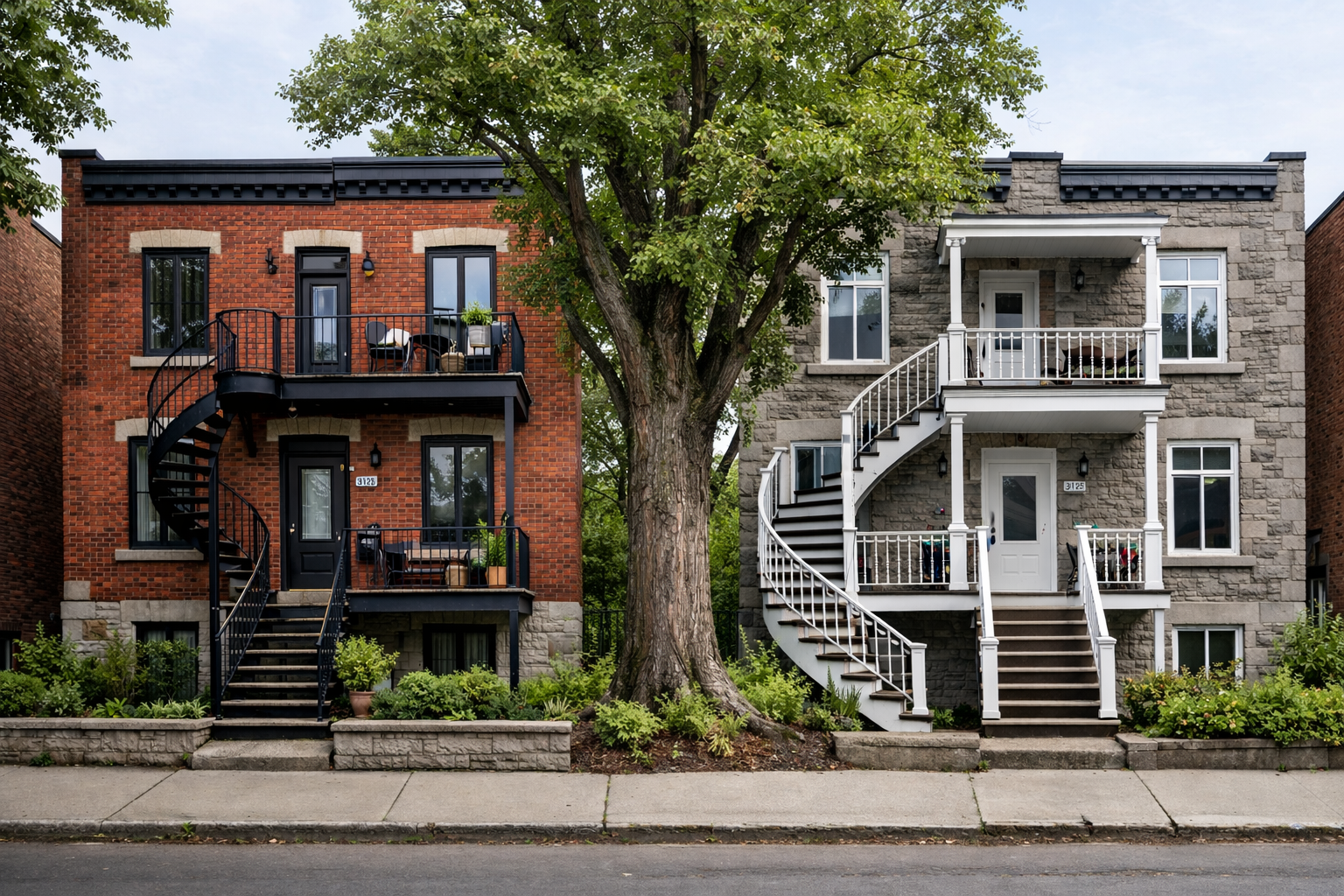
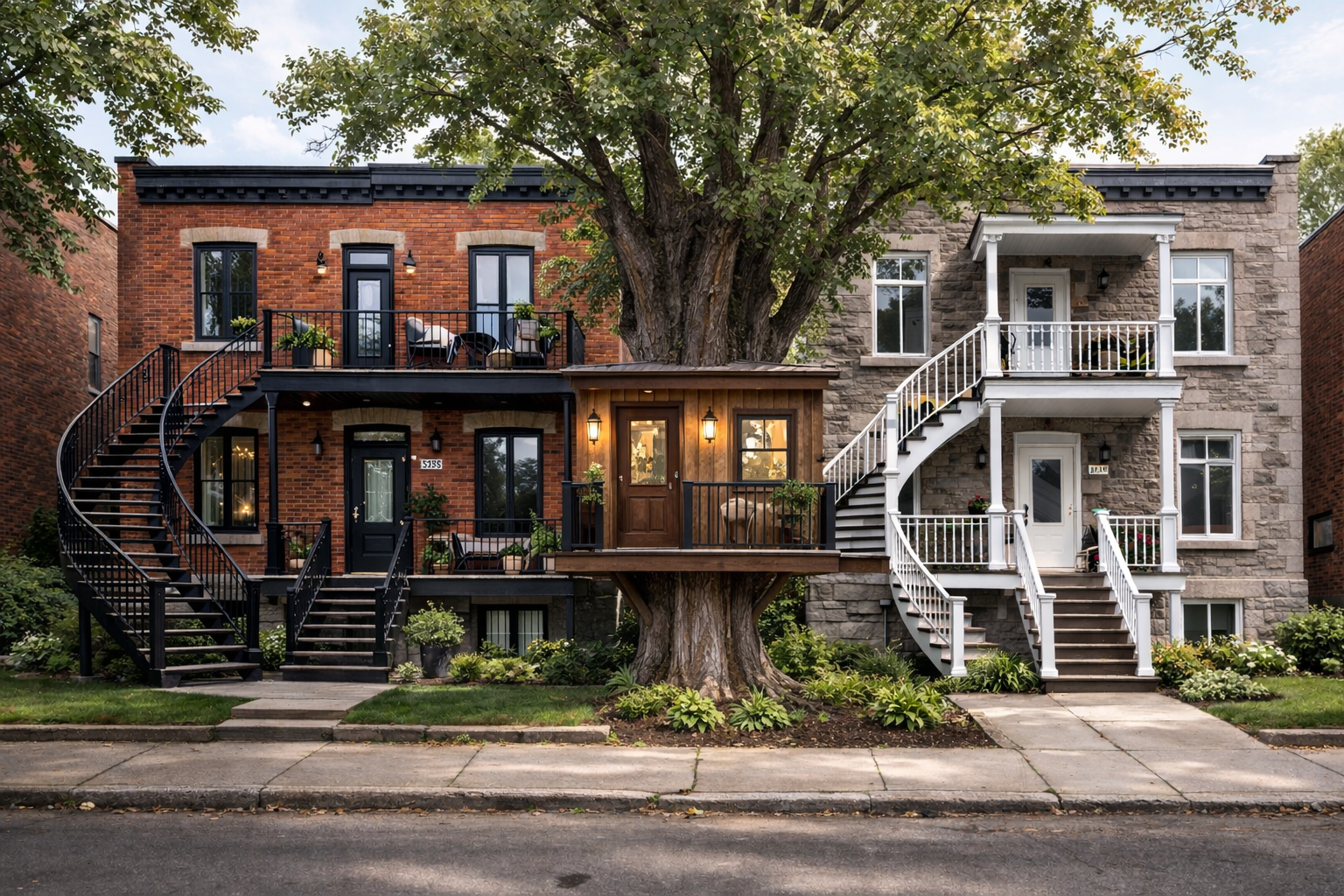
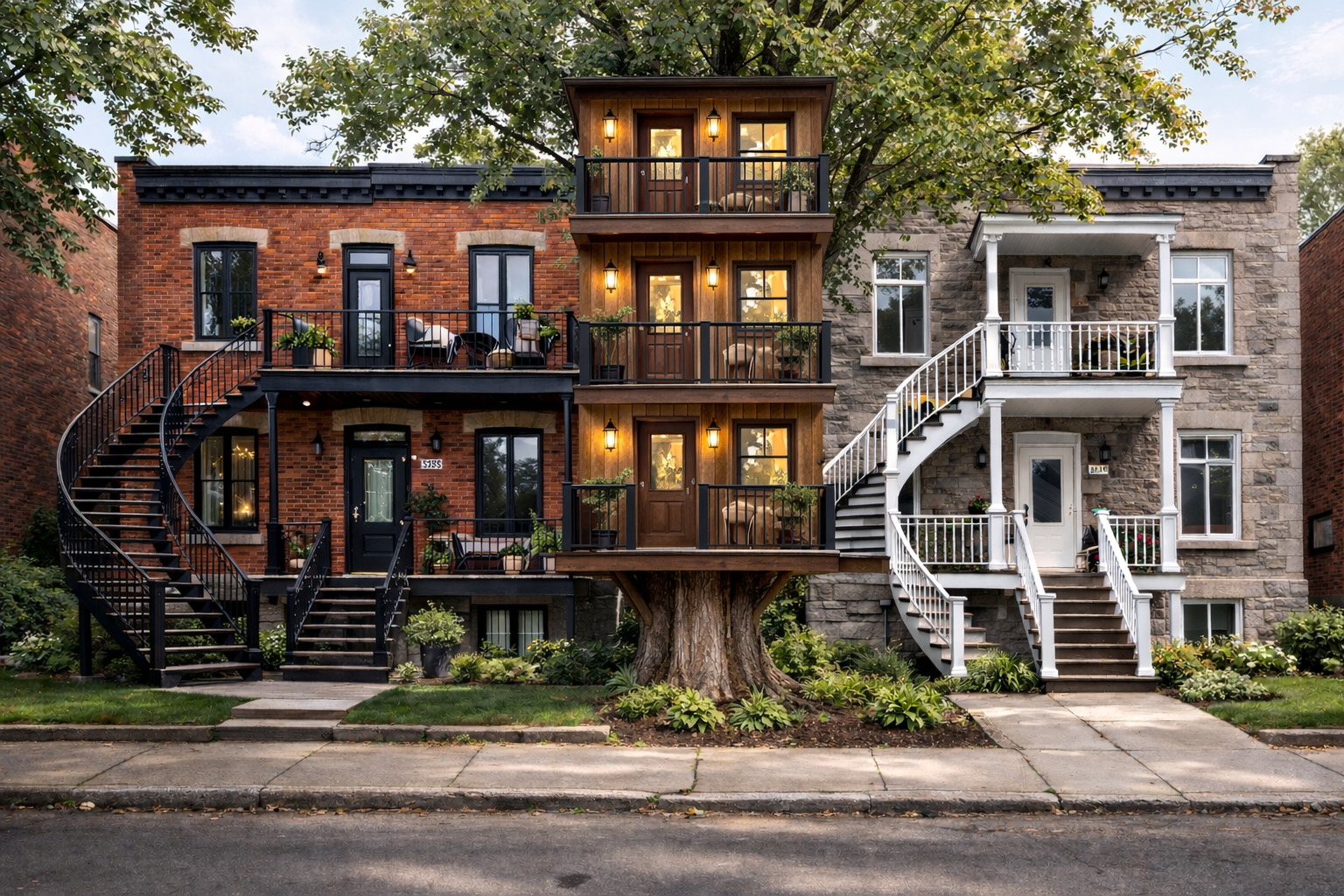
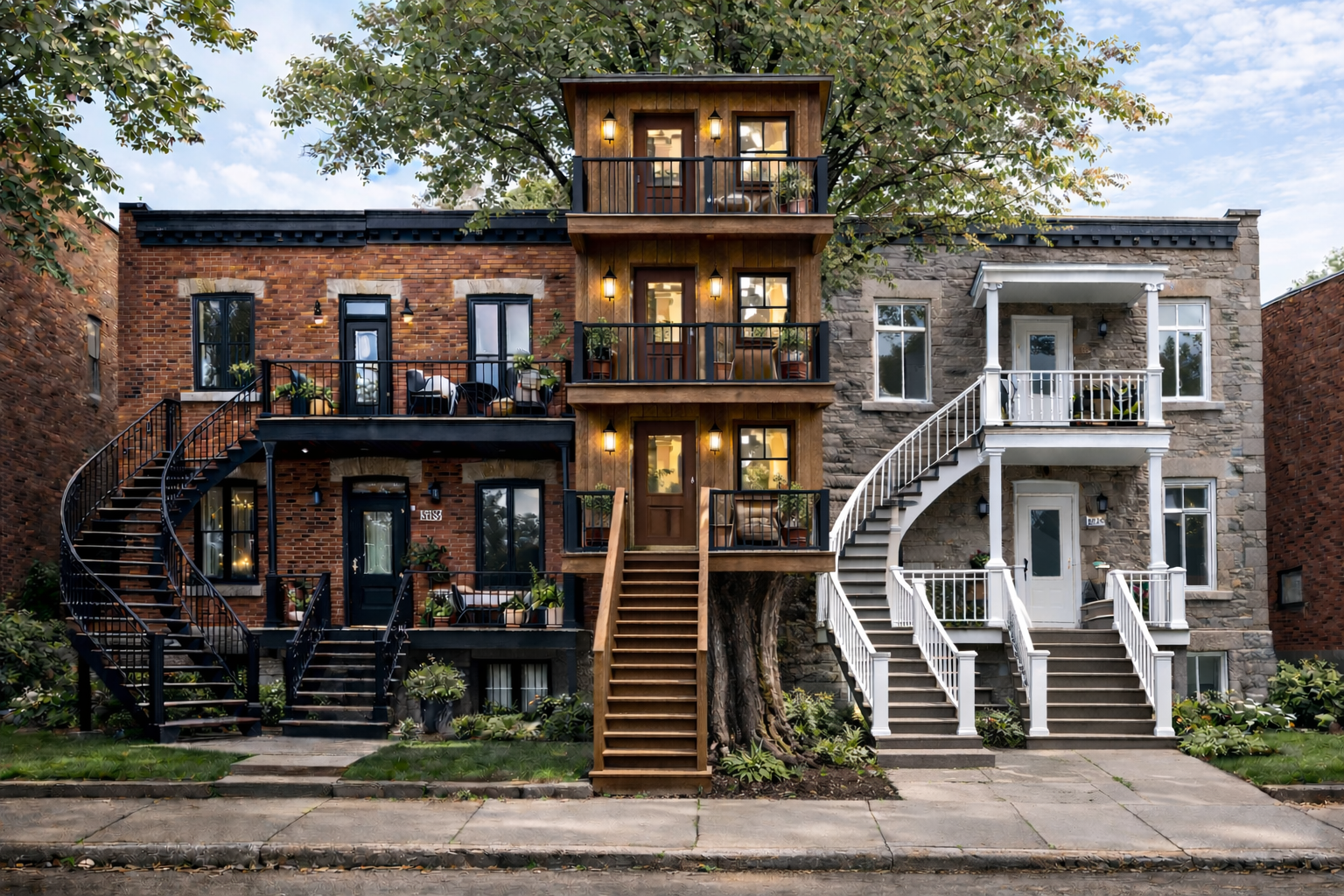
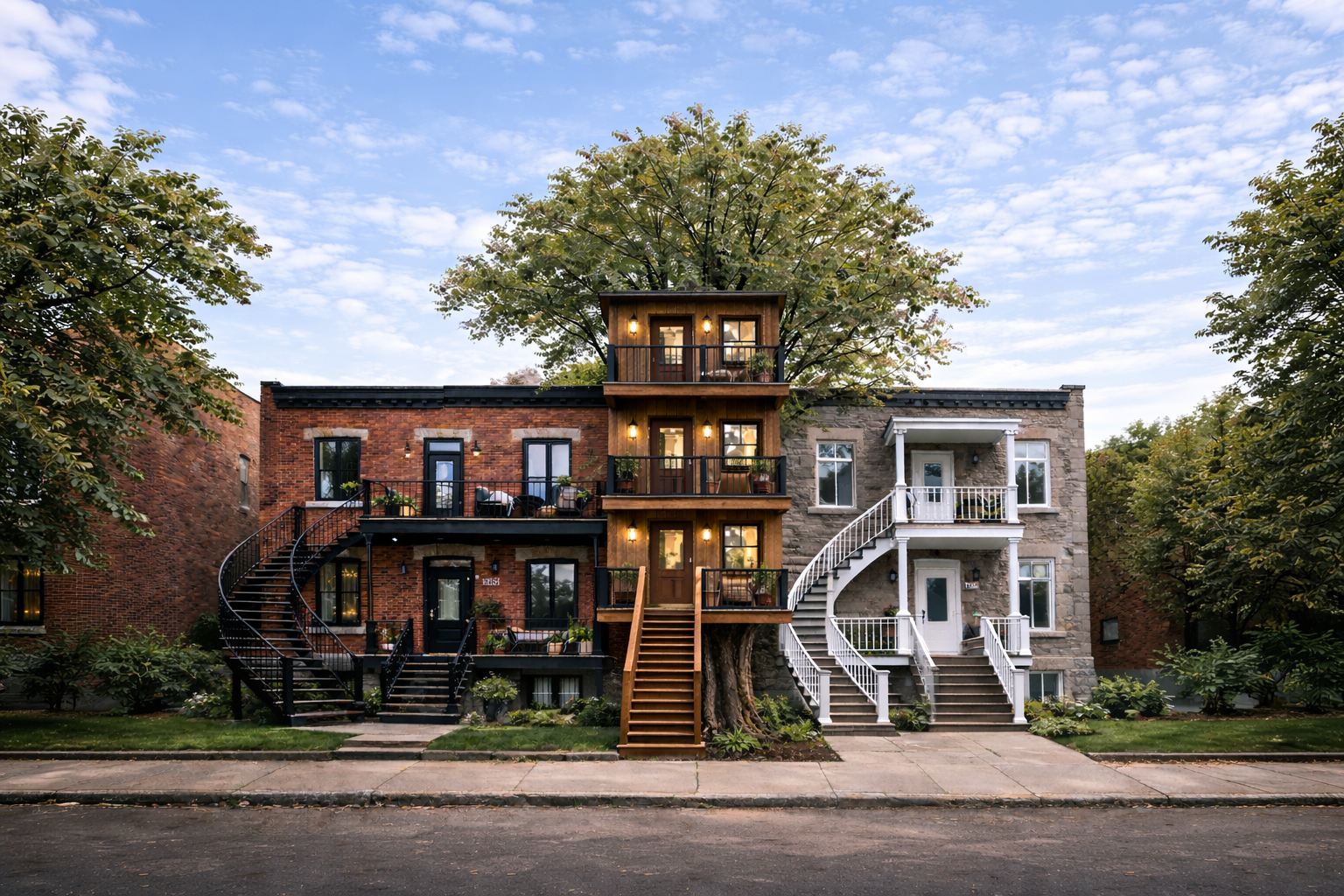
Chat GPT and Creating the Setting
I’m not totally sold on this process yet. It took a lot of iteration and work; I think next time, I will simply sketch the background myself and have the AI render it.
I haven’t included every iteration in the slideshow above, as it would be massive; this is just a sample of the process. I had ChatGPT work in a realistic style at first, as I find AI image generators often struggle to understand architectural logic. I found it easiest to work in a realistic style for now to establish the composition. In each image, you will see mistakes in small details, such as the furniture.
I started by having ChatGPT generate two duplexes in a Montreal-style architecture. I found it most efficient to give it small editing tasks one by one to maintain consistency. If you give it too many tasks in a single prompt, the LLM starts to go off the rails.
I then had ChatGPT add a tree in the middle, followed by the treehouse units one by one. I really had to keep re-prompting to ensure the architectural lines made sense, having the AI correct and add details incrementally. Once I was mostly happy with the layout, I saved the final image and brought it into Krita.
Collage & Krita
So, I made the mistake of merging the image with the characters without preserving a plain background; please bear with me as I break down the blocking process.
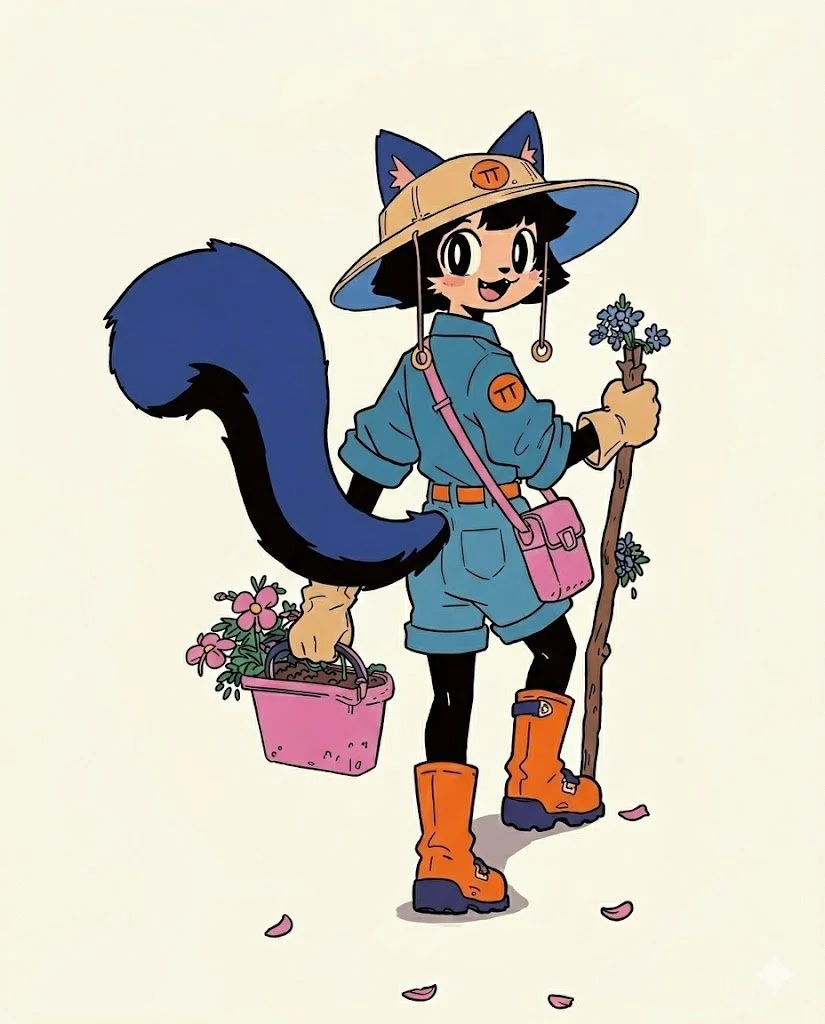
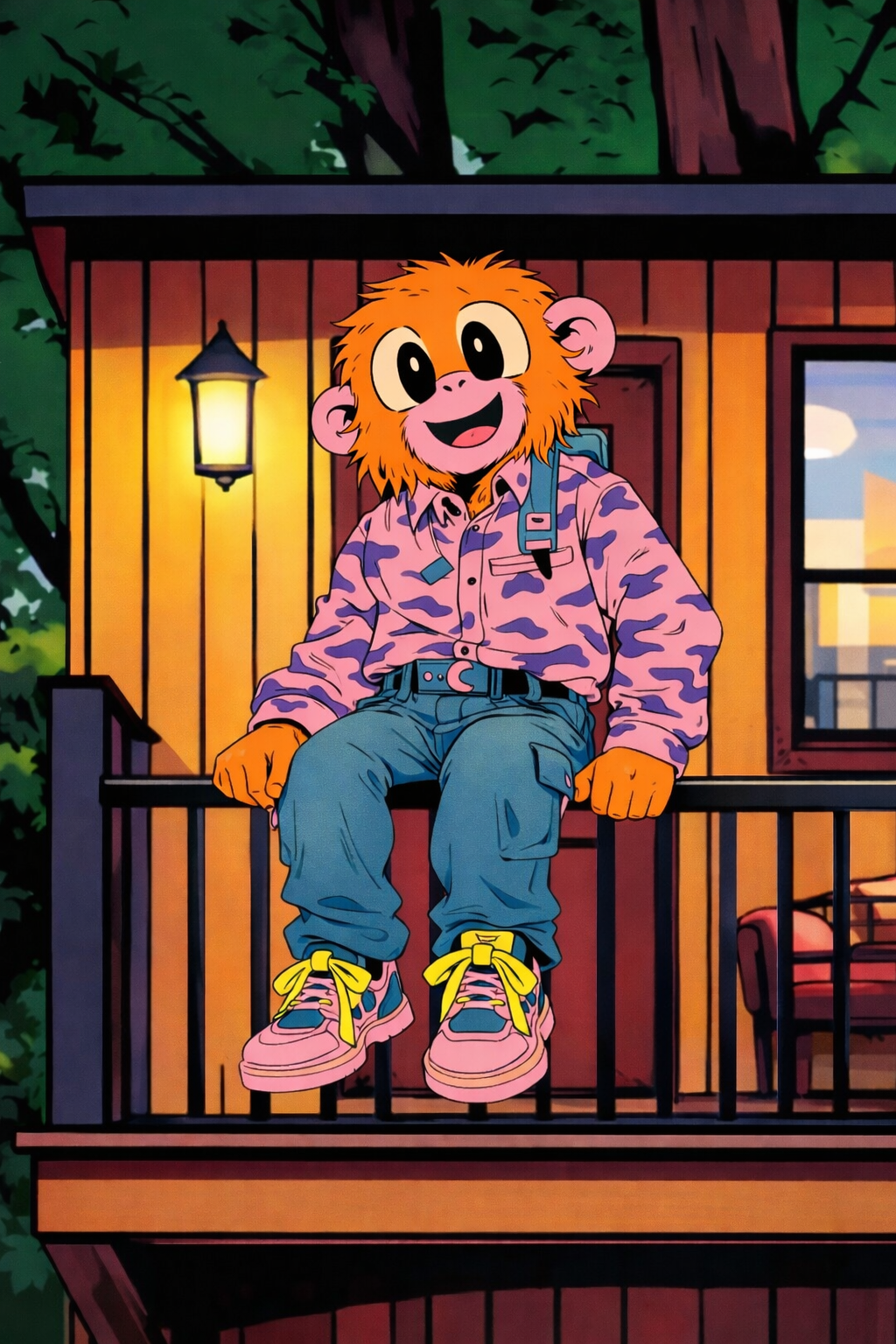
In Krita, I then stylized the background to fit the aesthetic I was going for with Borough. I would then screencap each part of the background where I wanted a character and use Gemini to pose them—referencing their character sheets—to block out the composition.
Both before and during the 'AI era,' I have worked professionally as a set designer, so I’m always thinking about the environment first and how the characters or actors interact with that space.
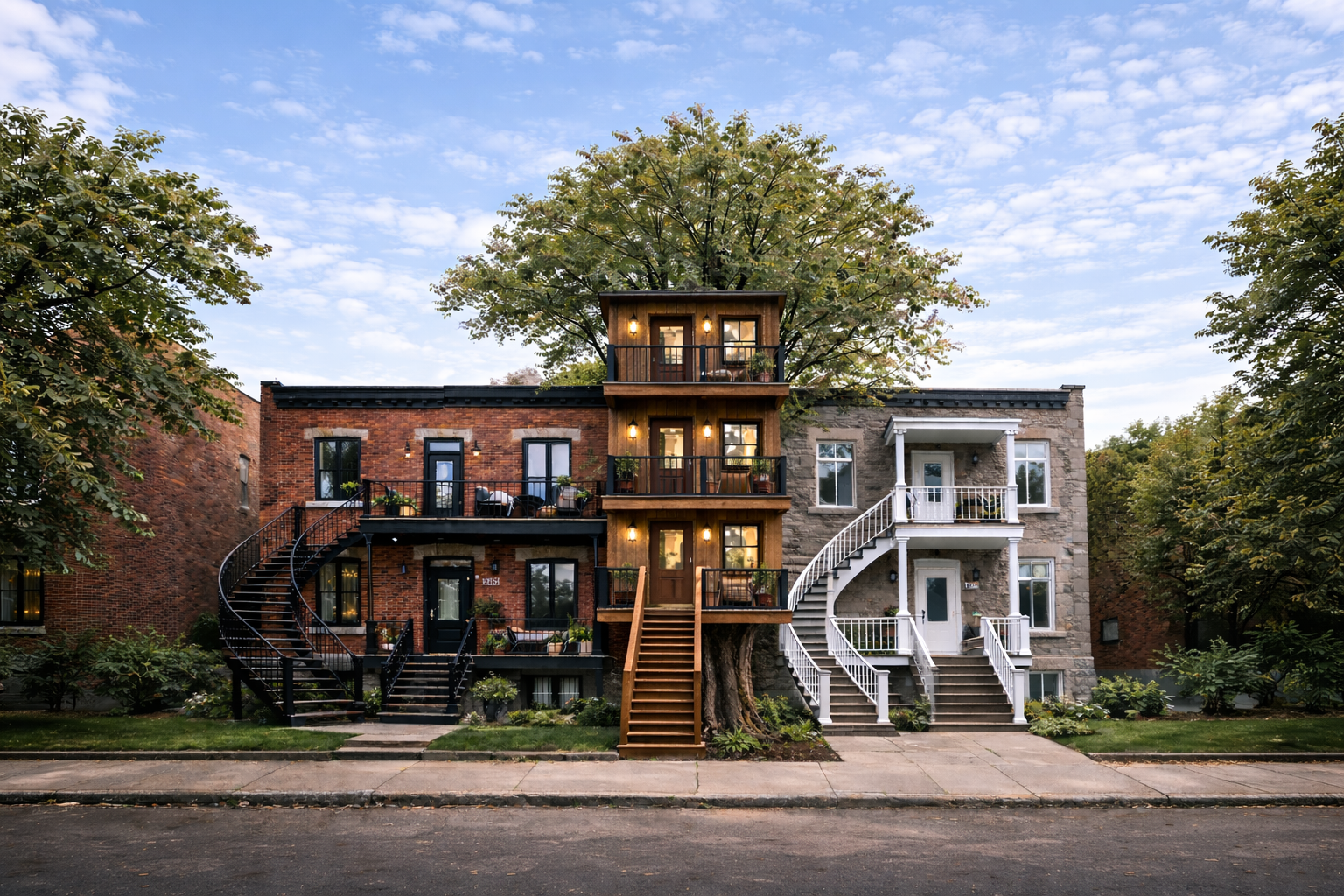
Refinement
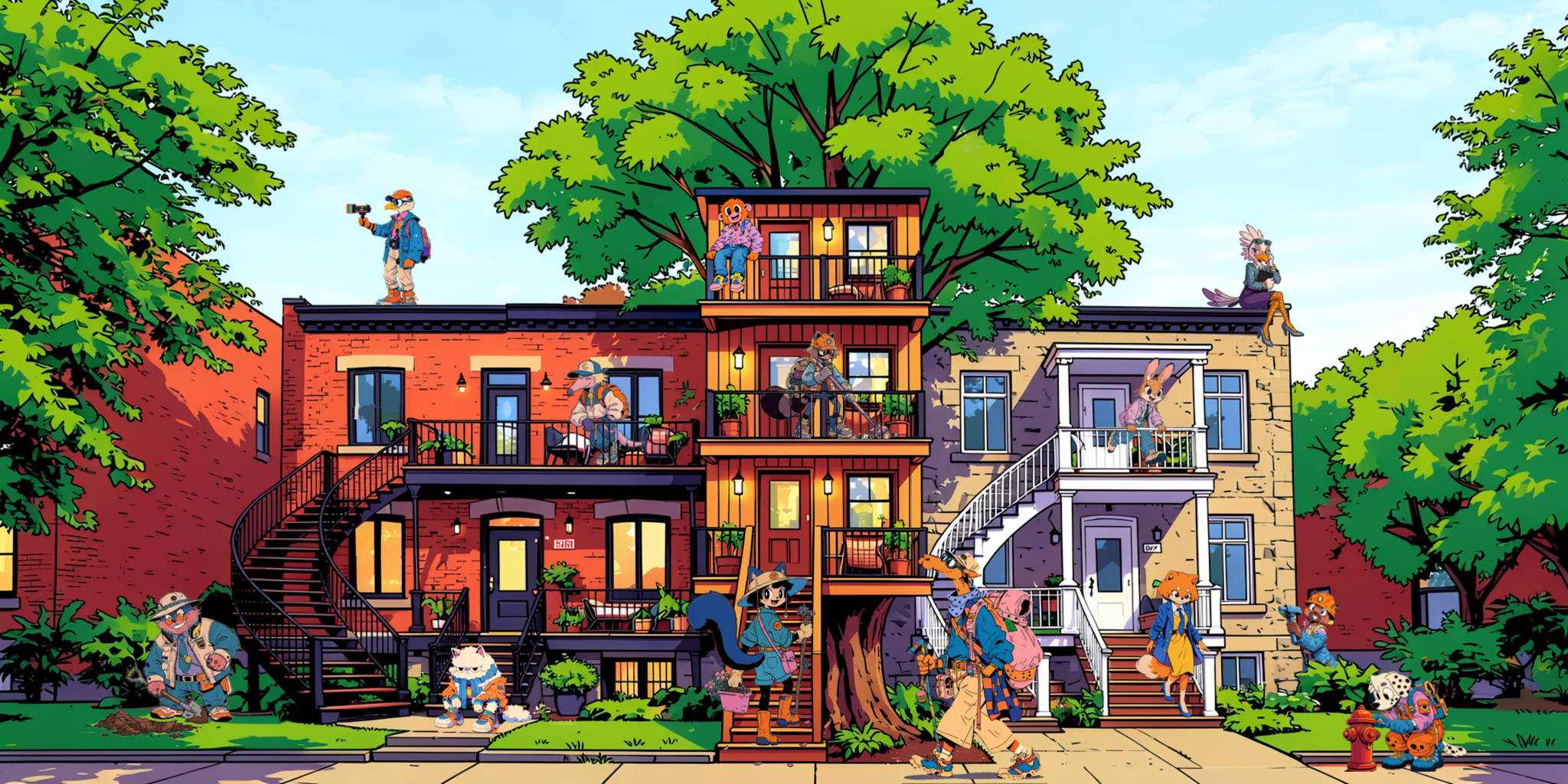
Once all the characters were in place, I would go through and fix the lighting and furniture issues. I performed mini-diffusions throughout the image using FLUX and my custom LoRAs, which made the final result feel much more integrated.
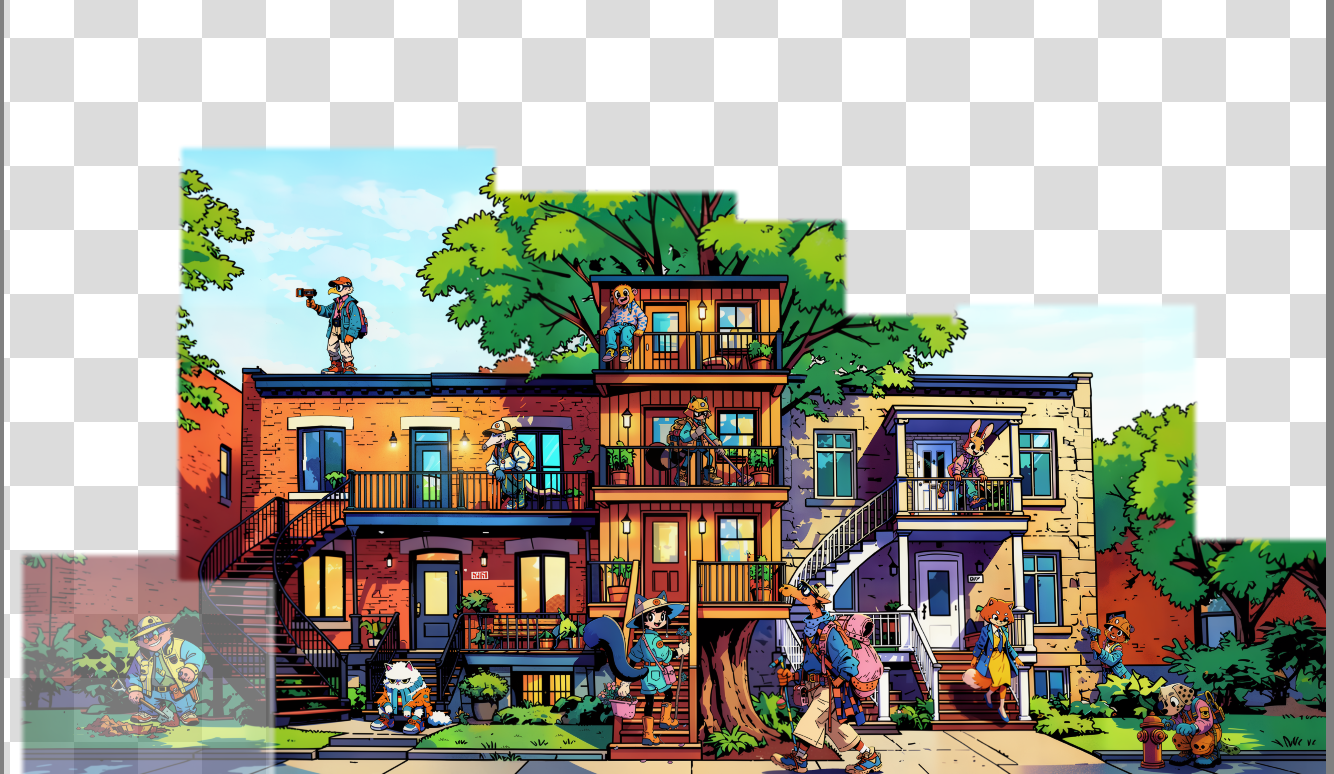
Here is a a screen grab off all the edited areas.
And Voila!
The final image (for now…I might change some more things)
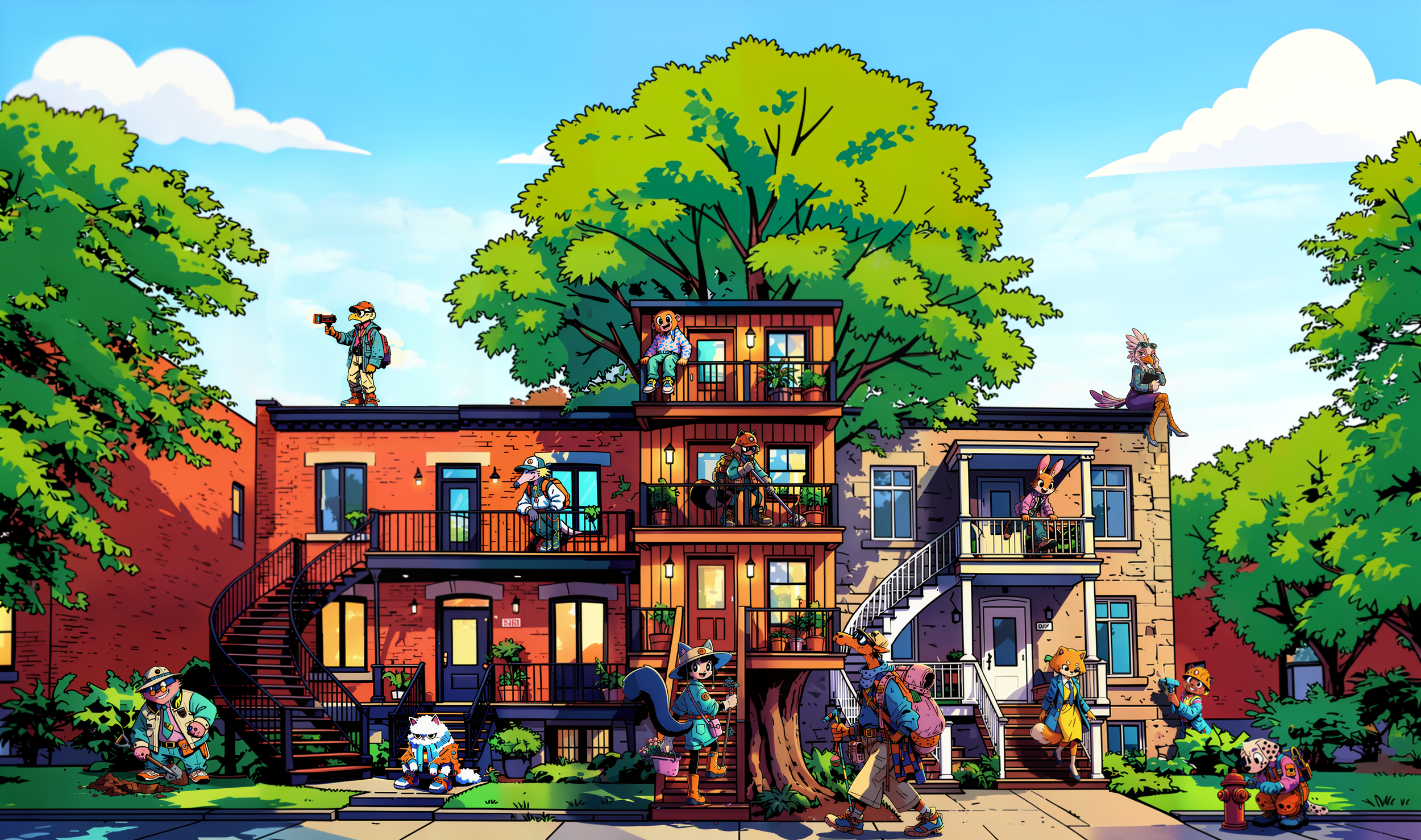
Working with AI is an interesting process, as I have to let go of some control and work in a more directorial position—but as someone who has been drawing for 20+ years, it’s exciting at the same time. I find creating art with AI much more like working as a production designer or director; you are constantly giving instructions and refining. It is an extremely iterative process, and you have to enjoy some of the weird mistakes and 'happy little trees' it gives you.
This blog distills the days and hours I have spent working out this process, and I hope you find it interesting. I believe AI can be used creatively to improve workflows, especially for indie and solo studios that wouldn’t otherwise have the resources to achieve a larger scope. However, it is no substitute for good art direction.
I’m happy with where the visual style of Borough is going, and I am going to start working on 3D assets for testing. I will be developing player character customisation next.
Borough Concept
The initial concept for Borough.
A neighbourhood-scale city builder about community, compromise, and rebuilding something better.
So after watching way too many Montréal neighbourhood governance videos on YouTube, I started getting ideas…
What if a city builder wasn’t about playing god?
What if it was about playing councillor?
The Concept
Borough is a medium-scale city builder that zooms in — way in.
Instead of managing an entire metropolis from the clouds, you step into the very human (well… animal) role of a newly elected local councillor.
You don’t control the whole city.
You control one neighbourhood.
And that’s more than enough.
The Premise
You’ve just been elected councillor of Borough 8, a district still scarred by a devastating fire ten years ago.
Now it’s your job to help rebuild it.
But you won’t do it alone. You’ll collaborate with:
• Your development partner
• The city architect
• And most importantly… the community
Every decision shapes not just the streets, but the social fabric of the neighbourhood.
The World
Borough takes place in an optimistic post-apocalyptic world populated mostly by animals.
Not a wasteland — a renewal.
Each animal represents a role within the ecosystem of the neighbourhood. A squirrel gardener. An owl teacher. A mole transit planner. A raccoon recycler. A beaver contractor. Every profession is part of something bigger.
The neighbourhood isn’t just zoning and infrastructure — it’s a living ecosystem.
And like any ecosystem, balance matters.
Gameplay
At its core, Borough blends city-building systems with relationship-driven gameplay.
You begin with the fundamentals:
• Power
• Water
• Roads
• Basic services
Build the foundation and residents start to move in.
Each neighbour contributes to the borough’s overall Vibe — a dynamic measure of community health, happiness, and identity.
The stronger the vibe, the more residents you attract.
But you can’t just build whatever you want.
New developments require community approval.
Some neighbours will love a new café.
Others will fight you over a mid-rise apartment.
A community garden might delight the artist collective but frustrate the logistics company down the street.
To move projects forward, you’ll need to:
• Build relationships
• Understand personalities
• Earn trust
Befriend residents to gain favour.
Compromise to avoid backlash.
Or push your vision — and deal with the consequences.
This isn’t god mode.
This is local politics.
Influences
Borough blends the systemic depth of:
• Cities: Skylines
• SimCity
• Pocket City
• Tropico
With the character-driven warmth of:
• Animal Crossing
• Stardew Valley
• Harvest Moon
• My Time series
Think zoning meets relationship meters.
Think infrastructure meets heart.
Why Borough?
Big city builders are about optimization.
Borough is about belonging.
It’s about how communities are shaped not just by roads and utilities, but by trust, compromise, and shared vision.
It’s about rebuilding something after loss.
And maybe building it better than it was before.